

The Hidden Costs of Sticking with the Status Quo
Are you one of the many who simply renew their insurance policy year after year without a second thought? You might believe that loyalty pays off, but often, the opposite is true. Insurance companies frequently offer their most competitive rates to new customers, leaving long-term clients paying higher premiums.
This “loyalty penalty” can silently erode your financial well-being over time. You’re not just losing out on potential savings; you’re actively contributing more than necessary to your insurance provider. It’s a common trap that many individuals fall into, simply because comparing options seems like too much effort.
Why Regular Insurance Comparison Matters
The insurance market is dynamic, with prices and offerings constantly shifting. What was a great deal a year ago might be significantly overpriced today. Furthermore, your own life circumstances change – perhaps you’ve improved your credit score, added safety features to your car, or your neighborhood’s risk profile has evolved.
Each of these factors can impact your premium, often in your favor. By regularly seeking out fresh insurance quotes, you ensure your policy reflects both the current market rates and your updated personal situation. This proactive approach is crucial for maintaining optimal coverage at the best possible price.
Your Financial Lifeline: Understanding What You’re Paying For
It’s easy to feel lost amidst the jargon of deductibles, premiums, and coverage limits. Many people view insurance as a necessary evil, paying their bills without truly understanding what protection they’re receiving. This lack of clarity can lead to both overpaying for unnecessary coverage or, worse, being underinsured when a crisis strikes.
Empathy is key here: you deserve to understand where your money is going and what peace of mind it buys. Taking the time to grasp the basics of your policy empowers you. It turns insurance from a mysterious expense into a valuable tool for financial security.
Types of Insurance You Might Need
Your specific needs will vary, but most individuals encounter a few core types of insurance. Understanding these categories and their purpose is the first step toward smart shopping. Don’t let the sheer number of options intimidate you; instead, focus on what truly protects your assets and your future. Each policy serves a unique, important role in your overall financial plan.
- Auto Insurance: Often legally required, protecting you and others on the road.
- Home Insurance: Safeguards your property against damage and liability.
- Life Insurance: Provides financial security for your loved ones after you’re gone.
- Health Insurance: Critical for covering medical expenses and ensuring access to care.

Demystifying the Quote Process: How Quick Insurance Quotes Work
The good news is that technology has revolutionized the way we shop for insurance. Gone are the days of endless phone calls and redundant paperwork. Today, getting quick insurance quotes is often as simple as a few clicks, thanks to online comparison platforms and direct insurer websites. These tools streamline the process, allowing you to input your information once and receive multiple offers.
This efficiency saves you precious time and drastically reduces the stress associated with comparing policies. You gain the ability to review various options side-by-side, making it easier to spot discrepancies and identify the best value. It’s about putting the power back into your hands, making the market work for you.
What Information Do You Need for Accurate Quotes?
To get accurate quotes, you’ll need to provide some basic personal and property details. For auto insurance, this includes driver’s license numbers, vehicle identification numbers (VINs), and any history of claims or tickets. For home insurance, be ready with property details like square footage, construction type, and security features.
Having this information readily available will make the quote process much faster. Remember, accuracy is crucial; providing incorrect details could lead to issues with your policy later on. Treat this step as an investment in a seamless and correct insurance setup.
The Power of Online Comparison Tools
Online comparison tools are your best friend when it comes to finding competitive rates. Websites like NerdWallet Insurance allow you to enter your data once and retrieve insurance quotes from numerous providers. This isn’t just about speed; it’s about casting a wide net to ensure you don’t miss out on a significantly better deal.
These platforms often have sophisticated algorithms that match you with policies tailored to your profile. They can highlight discounts you might qualify for, making the search for savings even more effective. Don’t underestimate the power of these aggregated services to simplify your financial decisions.
Beyond the Price Tag: Evaluating Insurance Value
While saving money is a primary goal, the cheapest policy isn’t always the best. A low premium might come with insufficient coverage, high deductibles, or poor customer service. Always scrutinize the policy details. Understand your coverage limits, which specify the maximum amount the insurer will pay for a covered loss.
Pay attention to your deductible – the amount you must pay out-of-pocket before your insurance kicks in. A higher deductible usually means a lower premium, but ensure it’s an amount you can comfortably afford in an emergency. Remember, insurance is about peace of mind; don’t compromise essential protection for minor savings. For a deeper dive into financial terms, consider resources like Investopedia’s explanation of insurance terms.
Turning Savings into Wealth: The Long-Term Impact
Imagine if the money you save on insurance each month could be channeled into your savings account or investments. Even seemingly small monthly savings can accumulate into substantial sums over time, significantly impacting your long-term financial health. This isn’t just about cutting expenses; it’s about optimizing your cash flow for future growth.
By regularly comparing and optimizing your insurance costs, you free up capital that can be put to work for you. Whether it’s paying down debt, building an emergency fund, or contributing to retirement, every dollar saved is a dollar earned. This strategic approach transforms a mundane task into a powerful wealth-building habit.
The Power of Small Savings
Let’s consider the tangible benefits of finding better insurance rates. If you save just $20 per month on your car insurance, that’s $240 per year. Over ten years, that’s $2,400. This seemingly small amount grows, especially if invested. The principle of compound interest applies not just to earnings, but also to avoided costs. This is why vigilance in managing your recurring expenses is so vital.
Thinking about your insurance savings in this way can motivate you to regularly shop around. It transforms a tedious chore into an exciting opportunity to boost your personal finances. Treat these savings as a direct contribution to your financial future, not just a reduction in expenditure.
Your Cumulative Savings: A Simple Illustration
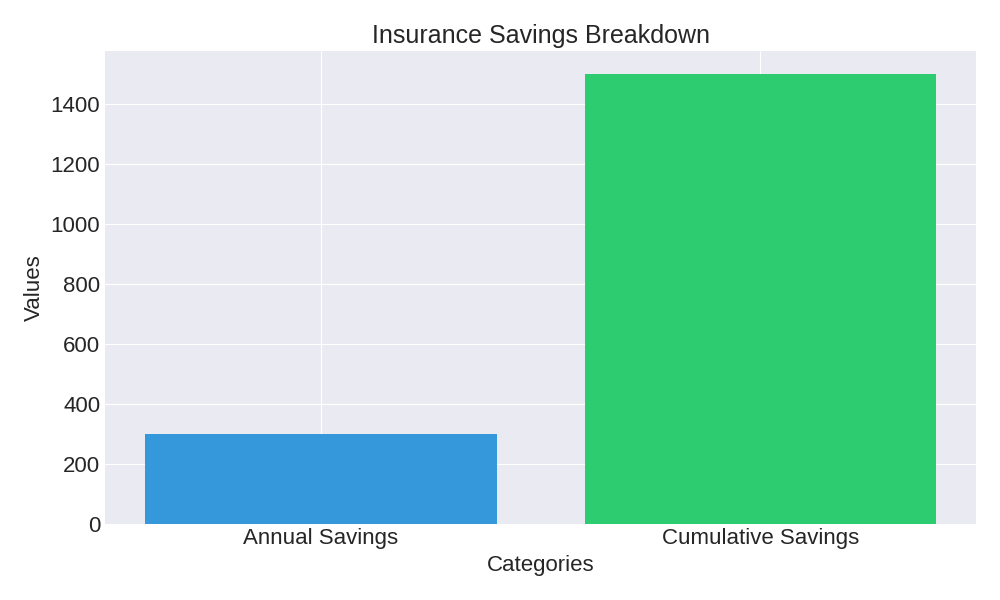
To truly visualize the impact of consistent savings, let’s look at a simple scenario. If you diligently compare insurance quotes and manage to save an average of $25 per month, here’s how those savings accumulate over five years. This table illustrates the direct financial benefit of your proactive approach.
| Year | Annual Savings | Cumulative Savings |
|---|---|---|
| 1 | $300 ($25 x 12) | $300 |
| 2 | $300 | $600 |
| 3 | $300 | $900 |
| 4 | $300 | $1,200 |
| 5 | $300 | $1,500 |
This demonstrates how consistent effort in comparing insurance quotes translates into tangible financial gains. Imagine if you saved even more, or if these savings were invested over decades – the impact would be truly transformative for your financial freedom.
Monthly Payment Calculator
Common Pitfalls in Insurance Shopping
While seeking competitive insurance quotes is smart, it’s also important to navigate the process carefully. Rushing into the cheapest option without due diligence can leave you vulnerable. Your goal is optimal coverage at an optimal price, not just the lowest premium.
Don’t Just Look at the Premium
As mentioned, the monthly or annual premium is only one piece of the puzzle. Always compare the specific details of what each policy covers. Are the liability limits sufficient for your assets? Does it include coverage for specific risks relevant to you, like flood or earthquake insurance if you live in a prone area? A seemingly higher premium might offer significantly broader protection, making it a better value in the long run.
Beware of Underinsurance
Being underinsured means your policy won’t fully cover the costs of a major event. This can leave you personally responsible for substantial financial burdens. For instance, if your home is insured for less than its rebuilding cost, you’ll face a significant gap after a disaster. Always ensure your coverage limits align with the true value of your assets and potential liabilities.
Misunderstanding Deductibles
A deductible is the amount you agree to pay out of pocket before your insurance coverage begins. Many policyholders choose higher deductibles to lower their premiums without fully considering the financial impact. In the event of a claim, a high deductible can create unexpected cash flow problems. It’s essential to select a deductible level that balances affordability with your ability to cover sudden expenses. Understanding how deductibles apply to different types of claims can prevent costly surprises. A well-chosen deductible supports both financial stability and effective risk management.
Disclaimer: The information provided in this article is for educational purposes only and does not constitute financial advice.