

Embarking on your investment journey can feel daunting, but thanks to modern technology, gaining access to financial markets is easier than ever. Finding the best app for investing is often the first crucial step for many aspiring investors. This guide will walk you through everything you need to know, from selecting the right platform to understanding basic investment principles, empowering you to make informed decisions on your path to financial freedom.
The right investment app acts as your personal financial gateway, offering tools and resources to manage your money, buy and sell assets, and track your portfolio’s performance. Whether you’re a complete novice looking to dip your toes in or an experienced trader seeking a powerful platform, understanding the landscape of available apps is key. We’ll break down complex ideas into simple, actionable insights.

What Makes the Best App for Investing Stand Out?
When searching for the best app for investing, several critical factors differentiate top-tier platforms from the rest. It’s not just about flashy interfaces; it’s about functionality, security, cost, and educational resources.
Key Features to Look For
- User Experience (UX): An intuitive and easy-to-navigate interface is paramount, especially for beginners. The app should be clear, concise, and responsive.
- Investment Options: Consider what you want to invest in. Do you need access to stocks, ETFs, mutual funds, cryptocurrencies, or fractional shares?
- Fee Structure: Understand all potential costs, including trading commissions, account maintenance fees, and expense ratios for funds. Lower fees generally mean more of your money working for you.
- Educational Resources: Many top apps offer articles, tutorials, webinars, and even simulated trading to help you learn and practice.
- Customer Support: Responsive and knowledgeable customer service can be invaluable when you have questions or encounter issues.
- Account Minimums: Some apps require a minimum deposit to open an account or start investing. Look for platforms that align with your starting capital.
Security and Regulation
Your financial security is non-negotiable. Always choose apps that are regulated by relevant authorities. In the United States, this typically means the Securities and Exchange Commission (SEC) and the Financial Industry Regulatory Authority (FINRA). Look for apps that offer two-factor authentication and encryption to protect your personal and financial data. Most reputable apps are also members of the Securities Investor Protection Corporation (SIPC), which protects securities customers of its members up to $500,000, including $250,000 for claims for cash.
Top Categories of Investing Apps
The market for investment apps is diverse, catering to different investor types and preferences. Understanding these categories can help you narrow down your choices.
Beginner-Friendly Apps
These apps often feature simplified interfaces, low minimums, and robust educational content. They might focus on fractional shares or pre-built portfolios, making it easy for newcomers to start investing without feeling overwhelmed. Think of apps that make investing feel accessible, almost like a game, but with real financial implications.
Advanced Trading Platforms
Designed for more experienced investors, these apps offer sophisticated tools like advanced charting, real-time market data, technical analysis indicators, and a wider range of investment products (e.g., options, futures). While powerful, they can be complex for beginners.
Robo-Advisors
Robo-advisors use algorithms to manage your investments based on your financial goals, risk tolerance, and time horizon. They offer automated portfolio rebalancing and diversification, often at a lower cost than traditional human financial advisors. They’re excellent for hands-off investors who prefer professional management without the premium price tag. For a detailed comparison of robo-advisors, resources like NerdWallet can be very helpful.

How to Choose the Right App for You
Selecting the ideal app is a personal decision. Follow these steps to find your perfect match.
- Define Your Goals: Are you saving for retirement, a down payment, or a general wealth-building goal? Your objectives will influence the type of app and investment strategies you need.
- Assess Your Risk Tolerance: How comfortable are you with market fluctuations? This will determine your asset allocation (e.g., more stocks for higher risk, more bonds for lower risk).
- Evaluate Your Experience Level: Are you a complete beginner or do you have some investing knowledge? Choose an app that matches your comfort level.
- Compare Fees and Features: Create a shortlist of apps that meet your criteria, then compare their fee structures, available investments, and unique features side-by-side.
- Read Reviews and Test Drive (if possible): Look at user reviews and, if available, explore demo accounts to get a feel for the app’s interface and functionality.
Understanding Investment Growth: A Simple Look
One of the most powerful concepts in investing is compound interest, often called the “eighth wonder of the world.” It’s the interest you earn on both your initial investment and the accumulated interest from previous periods. Understanding this concept is crucial for long-term wealth building, regardless of the app you use.
How to Calculate Compound Growth
Imagine you invest $1,000, and it earns a 10% return each year. In the first year, you earn $100. Your total is now $1,100. In the second year, you don’t just earn 10% on the original $1,000; you earn it on the new total of $1,100. So, you earn $110, bringing your total to $1,210. This snowball effect is compound growth. Each year, your money earns money on money, leading to exponential growth over time. The longer your money stays invested, the more significant this effect becomes. Even small, consistent contributions can lead to substantial wealth.
Monthly Payment Calculator
Compound Growth Scenario (Example)
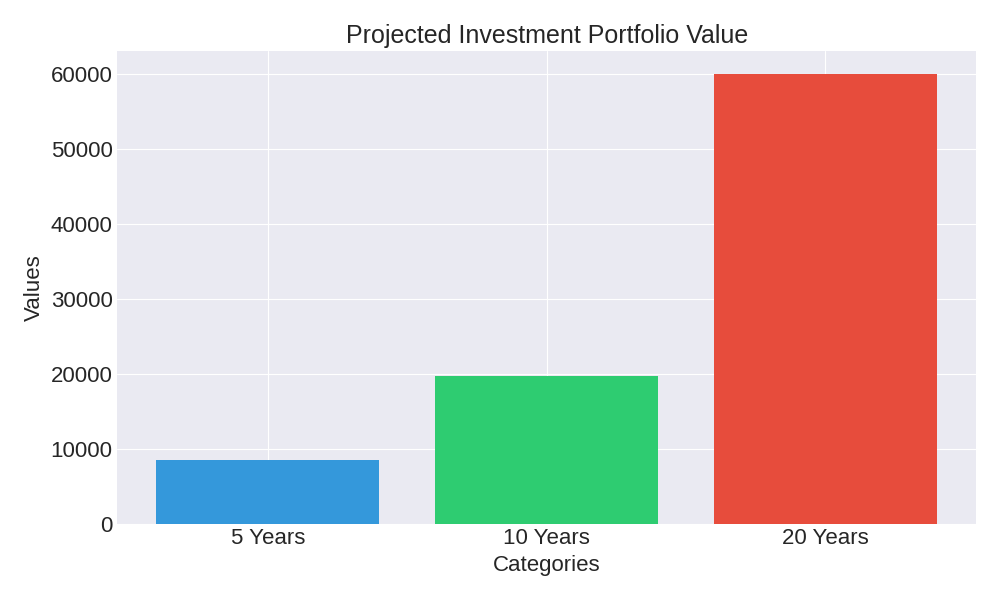
This table illustrates how a consistent investment of $100 per month, combined with an initial $1,000, can grow over time with an average annual return of 8%. This demonstrates the power of starting early and investing consistently.
| Years Invested | Total Contributions | Estimated Portfolio Value |
|---|---|---|
| 5 Years | $7,000 ($1,000 initial + $6,000 monthly) | $8,450 |
| 10 Years | $13,000 ($1,000 initial + $12,000 monthly) | $19,670 |
| 20 Years | $25,000 ($1,000 initial + $24,000 monthly) | $60,040 |
*Estimates based on an 8% average annual return and consistent monthly contributions. Actual returns may vary.
Risks and Rewards of App-Based Investing
Investing always involves a degree of risk. While the potential rewards of growing your wealth are significant, it’s crucial to understand the downsides. Market fluctuations can cause your investments to decrease in value. However, reputable apps provide tools and information to help you manage risk effectively, such as diversification options and educational content. Diversifying your portfolio across different asset classes is a key strategy to mitigate risk.
For current market insights and broader financial news that might impact your investment decisions, checking sources like Bloomberg can provide valuable context.

Frequently Asked Questions (FAQ)
Is investing through an app safe?
Yes, reputable investment apps employ advanced security measures, encryption, and are regulated by financial authorities like the SEC. Ensure the app is SIPC insured for added protection of your assets.
Do I need a lot of money to start investing with an app?
No, many apps offer low or no minimum deposit requirements and allow you to invest in fractional shares, meaning you can buy small pieces of expensive stocks. This makes investing accessible even with small amounts.
What’s the difference between a trading app and a robo-advisor?
A trading app typically allows you to make your own investment decisions and execute trades yourself. A robo-advisor, conversely, uses algorithms to automatically manage your portfolio based on your financial goals and risk tolerance, requiring less hands-on involvement from you.
Can I lose money investing through an app?
Yes, all investments carry inherent risk, and it’s possible to lose money, including your principal investment. The value of investments can fluctuate with market conditions. It’s important to invest only what you can afford to lose and to understand the risks involved.
Conclusion: Your Financial Journey Starts Now
Choosing the best app for investing is a personal decision that hinges on your individual financial goals, risk tolerance, and experience level. By focusing on security, fees, available investment options, and user experience, you can select a platform that empowers your financial journey. Remember, consistent investing and patience are often more important than timing the market.
Take the time to research, compare, and choose wisely. Your path to financial freedom is within reach, and with the right app, you’re well-equipped to navigate the exciting world of investing. Start building your future today!
Disclaimer: The information provided in this article is for educational purposes only and does not constitute financial advice.