

Feeling overwhelmed by the sheer number of options when shopping for health coverage? You’re not alone. Many people navigate the insurance exchange marketplace feeling like they’re trying to solve a complex puzzle, worried they’ll pick the wrong plan, pay too much, or miss out on crucial benefits. You need a plan that truly protects you and your wallet, not one that leaves you second-guessing. This isn’t just about finding insurance; it’s about securing your peace of mind and financial future. We’ll cut through the noise to help you confidently select the best plan in the insurance exchange marketplace.

Decoding the Exchange: What You Really Need to Know
The health insurance exchange marketplace isn’t just a place to buy insurance; it’s a regulated platform designed to make health coverage more accessible and affordable. For many, its biggest benefit lies in the financial assistance available. Think of it as a central hub where you can compare plans side-by-side, knowing that the plans meet certain standards.
Why this matters in real life: Imagine you’re a self-employed graphic designer earning a fluctuating income. Without the exchange, finding affordable, comprehensive coverage could be a nightmare. Here, you can input your income and household size, and instantly see if you qualify for tax credits that could drastically reduce your monthly premiums. This isn’t just about finding a plan; it’s about making it financially feasible.
Understanding Plan Tiers: Bronze, Silver, Gold, and Platinum
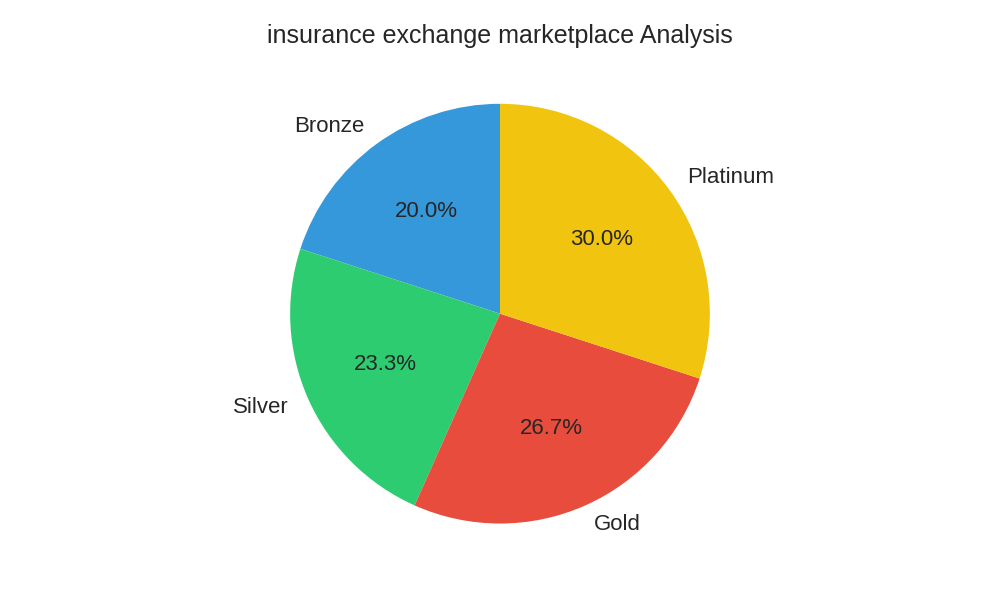
Plans on the exchange are categorized into metallic tiers: Bronze, Silver, Gold, and Platinum. These tiers aren’t about the quality of care; they indicate how you and your plan split the costs. It’s crucial to understand this division before you commit.
- Bronze plans: Offer lower monthly premiums but higher out-of-pocket costs when you need care. These are best if you’re generally healthy and anticipate minimal doctor visits, but want protection against catastrophic medical bills.
- Silver plans: A popular middle-ground. They have moderate premiums and moderate out-of-pocket costs. Crucially, if you qualify for Cost-Sharing Reductions (CSRs) based on your income, these benefits are only available with Silver plans, making them incredibly valuable for eligible individuals.
- Gold plans: Feature higher monthly premiums but lower out-of-pocket costs when you get care. If you have chronic conditions or expect frequent doctor visits and prescriptions, a Gold plan might save you money in the long run.
- Platinum plans: The highest premium plans, but with the lowest out-of-pocket costs. You pay a lot upfront for maximum coverage from day one. These are for those who want the most predictable costs when they need care.
Insider Tip: Don’t just look at the premium! A lower premium might mean a higher deductible and co-pays, leading to more expenses if you actually use your insurance. Always consider your likely medical needs for the upcoming year.
| Plan Tier | Typical Monthly Premium (Estimated) | Typical Deductible Range (Estimated) | Out-of-Pocket Max (Estimated) | Cost-Sharing Percentage (Plan Pays) |
|---|---|---|---|---|
| Bronze | Low ($300-$500) | High ($7,000-$9,000) | Very High ($8,500-$9,500) | 60% |
| Silver | Medium ($450-$700) | Medium ($3,000-$7,000) | Medium ($7,000-$9,000) | 70% |
| Gold | High ($600-$900) | Low ($1,500-$3,000) | Low ($5,000-$8,000) | 80% |
| Platinum | Very High ($750-$1,200) | Very Low ($0-$1,000) | Very Low ($2,000-$4,000) | 90% |
“How to Calculate” Your True Costs and Subsidies
Calculating your actual cost isn’t just about the premium. It involves understanding deductibles, co-pays, co-insurance, and crucially, subsidies. The government offers two main types of financial help:
- Premium Tax Credits: These reduce your monthly premium. The amount depends on your household income relative to the federal poverty level. The marketplace automatically calculates your eligibility when you apply.
- Cost-Sharing Reductions (CSRs): These lower your out-of-pocket costs like deductibles, co-pays, and co-insurance. You must enroll in a Silver plan to receive CSRs.
To figure out your potential savings, you’ll need your household income for the upcoming year, your household size, and your zip code. Don’t worry about complex math. The marketplace website does most of the heavy lifting.
Here’s the simple process:
- Go to the official marketplace website (like Healthcare.gov if you’re in the federal exchange).
- Enter your estimated household income for the year. Be as accurate as possible, even if it’s an estimate.
- Enter your household size, including anyone you claim as a tax dependent.
- The system will then show you available plans and automatically apply any premium tax credits you qualify for, reducing the listed monthly cost.
- If you qualify for Cost-Sharing Reductions, it will also indicate which Silver plans offer these additional savings on your out-of-pocket expenses.
The goal is to find the plan with the lowest overall cost based on your anticipated medical use, not just the lowest premium.
Annual Health Plan Cost Estimator

Common Myths & Costly Mistakes to Avoid
Don’t fall for common pitfalls that can leave you with inadequate coverage or unexpected bills.
Myth #1: The Cheapest Plan is Always Best
Reality: A Bronze plan might have the lowest monthly premium, but if you end up in the emergency room or need surgery, its high deductible could leave you with thousands in bills before your insurance even starts paying significantly. Imagine you save $100/month on a premium, totaling $1,200 a year. But then you have a minor accident that costs $5,000 out-of-pocket due to a high deductible. A slightly more expensive Silver or Gold plan might have reduced that expense to $1,000 or less. The “cheapest” plan can quickly become the most expensive when you actually use it.
Why this matters in real life: You might pay less upfront, but face substantial financial hardship if you unexpectedly need care. It’s about finding the best value, not just the lowest sticker price.
Myth #2: You Won’t Qualify for Help
Reality: Many people overestimate their income or underestimate the subsidy thresholds. Eligibility for financial assistance is broader than you might think. Even if your income seems “average,” you might still qualify for significant premium tax credits, especially if you have a larger household.
Pro Tip: Always apply and see what you qualify for. It takes just a few minutes, and you might be pleasantly surprised. Don’t self-disqualify before you even check.
Insider Tips for Smart Shopping
As a consumer advocate, I want you armed with strategies other articles often skip.
- Leverage Special Enrollment Periods (SEPs): Did you recently lose other coverage, get married, have a baby, or move? These are qualifying life events that trigger a Special Enrollment Period, allowing you to sign up for or change plans outside the typical Open Enrollment. Don’t miss these windows!
- Consider Off-Exchange Options (with caution): While the marketplace offers subsidies, some insurers also sell plans directly that aren’t on the exchange. If you don’t qualify for subsidies, sometimes you might find a broader selection or slightly different pricing directly from an insurer. However, always compare these plans rigorously to marketplace options, ensuring they meet the same coverage standards.
- Double-Check Your Doctor & Prescription Coverage: Before finalizing any plan, use the marketplace’s tools to confirm your preferred doctors and specialists are in-network. Also, check the plan’s formulary (list of covered drugs) to ensure your essential prescriptions are covered at an affordable tier. An in-network doctor and covered medication can save you thousands.

Making Your Final Decision: A Strategic Approach
Choosing a plan in the insurance exchange marketplace boils down to a few key steps. First, honestly assess your health needs. Are you generally healthy, or do you have ongoing conditions? Second, determine your budget for both monthly premiums and potential out-of-pocket costs. Third, use the exchange’s comparison tools to filter plans by your criteria, focusing on those that offer the best balance of premium and cost-sharing, especially if you qualify for subsidies.
Remember, the goal isn’t just to buy “insurance.” It’s to invest in a financial safety net that works for your specific life circumstances. Don’t be rushed. Take the time to compare plans side-by-side, considering the total potential cost, not just the monthly premium.
Conclusion: Your Path to Confident Coverage
Navigating the insurance exchange marketplace doesn’t have to be a source of stress. By understanding the tiers, leveraging financial assistance, and avoiding common myths, you can make an informed decision that protects your health and your finances. You now have the insider knowledge to move forward with confidence.
Call to Action: Don’t wait until you’re facing a medical emergency. Visit your state’s health insurance marketplace or Healthcare.gov today. Enter your information, explore your options, and find the right plan for you and your family. Your future self will thank you for taking control of your health coverage now.
Disclaimer: The information provided in this article is for educational purposes only and does not constitute financial advice.