
You’re here because the thought of dental bills sends shivers down your spine. The fear of an unexpected cavity turning into a root canal, or avoiding essential cleanings because you just can’t afford it, is a very real and stressful burden. You know proactive care is crucial, but how do you get proper dental insurance without breaking your budget?
As a financial strategist and consumer advocate, I’m here to tell you that affordable, effective dental coverage isn’t a myth. It’s about smart choices, understanding the fine print, and knowing exactly what you need. This isn’t just about saving money; it’s about investing in your health and peace of mind. Let’s cut through the noise and get you the dental insurance you deserve.

The Raw Truth: Why Your Wallet Needs Dental Insurance
Think about the cost of a routine cleaning versus a major dental procedure. A standard cleaning might cost you between $75-$200. But imagine you neglect those cleanings, and suddenly, you need a crown. That could easily be $800-$2,000, or even more, per tooth. Without dental insurance, that’s a direct hit to your savings.
Why does this matter in real life? Proactive care, often covered at 100% by good dental insurance plans, is your first line of defense against astronomical future costs. It’s an investment in preventing small issues from becoming financially crippling emergencies. You are protecting yourself from the financial shockwave of unexpected dental work.
For example, consider Sarah, a hypothetical individual. She avoided dental insurance for years, paying $150 cash for her annual cleaning. Then, a molar cracked, requiring a root canal and a crown, costing her approximately $3,000 out-of-pocket. Had she paid, say, $30 a month for dental insurance ($360 annually), her plan would likely have covered a significant portion, perhaps reducing her cost to $1,000-$1,500 after meeting her deductible and co-insurance. The proactive choice could have saved her thousands.
Decoding Plan Types: Don’t Get Trapped by the ‘Cheapest’
When you’re searching for dental insurance, you’ll primarily encounter a few types, and understanding their differences is crucial. Don’t just jump for the lowest premium; often, those plans come with significant trade-offs.
- PPO (Preferred Provider Organization): These plans offer flexibility. You can usually choose any dentist, but you’ll pay less if you stay within their network. This is great if you love your current dentist and they’re in-network.
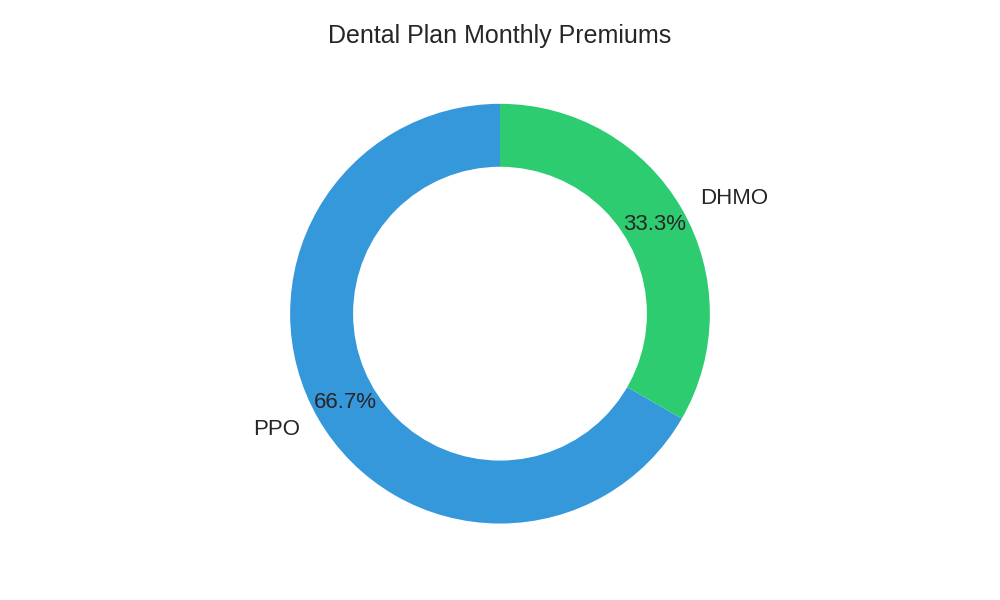
- HMO (Health Maintenance Organization) / DHMO (Dental Health Maintenance Organization): With HMOs, you pick a primary care dentist within a specific network who refers you to specialists. They’re typically cheaper premiums but offer less choice in providers.
- Indemnity Plans: These are less common for individuals, but they allow you to see any dentist and usually reimburse you for a percentage of the costs. There’s more paperwork for you, and often higher out-of-pocket costs up front.
- Discount Dental Plans: This isn’t insurance at all! You pay an annual fee to get a discount on services from participating dentists. No deductibles, no annual maximums, but also no actual coverage. It’s simply a membership program.
Insider Tip: For most people seeking flexibility and good coverage, a PPO plan offers the best balance. While the premium might be slightly higher than an HMO, the freedom to choose your dentist and get reimbursed can be invaluable, especially if you have established relationships or specific preferences.
| Plan Type | Monthly Premium Range | Deductible Range | Co-insurance (Basic Care) | Annual Maximum Range |
|---|---|---|---|---|
| PPO | $30 – $60 | $50 – $150 | 10% – 30% | $1,000 – $2,000 |
| DHMO | $15 – $40 | $0 – $50 | Fixed Co-pays | N/A (No Max) |
| Discount Plan | N/A (Annual Fee) | N/A | Fixed Discounts | N/A |
This table illustrates how different plans offer varying financial structures. Pay close attention to the annual maximum; this is the most your plan will pay in a given year, a critical factor for budgeting major work.

Smart Strategies to Lower Your Premium Without Sacrificing Care
You want quality care, but you also need to manage costs. Here’s how to be strategic:
- Consider Higher Deductibles: A higher deductible often means a lower monthly premium. If you generally have good dental health and only expect routine check-ups, this can be a smart move. You’ll pay more out-of-pocket if a major issue arises, but your monthly budget will thank you. For instance, a plan with a $250 deductible might save you $10-$15 a month compared to a $50 deductible plan. This trade-off is worth considering for healthy individuals.
- Check for Waiting Periods: Many plans have waiting periods (e.g., 6 months for basic care, 12 months for major procedures) before certain services are covered. Factor this into your decision. If you need immediate major work, a plan with shorter or no waiting periods might be worth a slightly higher premium.
- Bundle with Health Insurance: If you’re purchasing individual health insurance, ask about bundling dental. Sometimes, insurers offer discounts for combining policies. This often simplifies your billing and can lead to overall savings. Explore options on major exchanges or through a trusted broker. Healthcare.gov is a good starting point to explore bundled options in your area.
- Focus on Preventive Coverage: Even if you choose a plan with higher deductibles for major work, ensure your plan covers preventive care (cleanings, exams, X-rays) at 100% or close to it. This ensures you can maintain good oral health without extra cost, heading off bigger problems.
Insider Tip: Maximize Your Benefits Annually
Most dental insurance plans have an annual maximum benefit, typically between $1,000 and $2,000. This is the maximum amount the insurance company will pay for your dental care in a policy year. Don’t leave money on the table! If you need extensive work, try to plan it strategically to utilize your benefits fully before they reset (usually on January 1st). Sometimes, breaking a complex treatment plan into two phases across two calendar years can help you maximize two annual maximums, significantly reducing your out-of-pocket expenses.
Calculating Your True Cost: Beyond the Monthly Premium
Your monthly premium is just one piece of the puzzle. To truly budget for dental care with insurance, you need to understand the interplay of premium, deductible, co-insurance, and annual maximum. This is how you’ll calculate your potential out-of-pocket expenses.
How to Calculate Your Estimated Annual Dental Costs
Let’s break down how to estimate your total annual cost:
1. Start with your total annual premium. Multiply your monthly premium by 12.
2. Add your deductible. This is the amount you pay out-of-pocket before your insurance starts covering costs.
3. Estimate your co-insurance. After your deductible is met, your plan will cover a percentage of costs, and you’ll pay the remaining percentage (your co-insurance). For example, if your plan covers major work at 50% and you need a $1,000 crown after your deductible, you’d pay $500.
4. Factor in your annual maximum. Your insurance won’t pay beyond this amount. If your treatment costs exceed this, you’ll pay 100% of the remaining balance.
5. The sum of your annual premium, deductible, co-insurance, and any costs above your annual maximum is your estimated total annual expense.
This calculation helps you compare plans not just by premium, but by what you’d actually pay if you need work done. For more detailed estimations, many insurance providers offer online tools.
Your Annual Dental Insurance Savings
Common Myths to Avoid When Shopping for Dental Insurance
The world of insurance is rife with misconceptions. Here are a few to steer clear of:
- Myth 1: “All plans cover everything equally.” This is simply untrue. Plans vary wildly in what they cover, their waiting periods, and the percentages they pay for basic, major, and orthodontic care. Always read the Summary of Benefits.
- Myth 2: “Pre-existing conditions are always excluded.” While some plans have waiting periods for major procedures (which might seem like they’re excluding “pre-existing” needs), many plans don’t outright deny coverage for existing issues like a filling that needs replacing, though waiting periods might apply for more extensive work like crowns or bridges. It’s not the same as health insurance’s approach to pre-existing conditions.
- Myth 3: “Employer plans are always best.” While employer-sponsored plans are often excellent, they aren’t always the cheapest or the best fit for every individual. Sometimes, an individual plan you find on the open market might offer better coverage for your specific needs at a comparable or even lower price, especially if your employer’s plan has limited networks or high out-of-pocket costs. Always compare. You can compare options and learn more about consumer rights through resources like the National Association of Insurance Commissioners (NAIC).
The Power of Preventive Care
No matter which dental insurance plan you choose, remember that the biggest savings come from preventive care. Regular cleanings and check-ups catch problems early when they are less expensive and easier to treat. This is the most crucial “insider tip” of all: use your benefits for preventative care relentlessly. It’s the ultimate long-term budget strategy for your oral health.

When is Dental Insurance NOT the Answer? Exploring Alternatives
For some, particularly those with very minimal dental needs or very tight budgets, traditional dental insurance might not be the most cost-effective solution. When is this the case?
- If you only need basic cleanings: If your teeth are pristine and you typically only need two cleanings a year, calculate if paying out-of-pocket (e.g., $150 per cleaning, $300 annually) is cheaper than a $30-$40 monthly premium ($360-$480 annually) plus a deductible.
- High co-insurance for major work you won’t get: If a plan has high co-insurance for major work and you are certain you won’t need it, you might be overpaying.
- Consider Discount Dental Plans: As mentioned, these aren’t insurance, but they can offer 10-60% off services at participating dentists for an annual fee (e.g., $100-$200). If you need more than just cleanings but can’t afford insurance, this can be a viable bridge. The American Dental Association (ADA) provides helpful information on various dental care options.
- Community Clinics and Dental Schools: Many areas have dental schools or community dental clinics that offer services at significantly reduced rates, performed by supervised students or professionals. These can be excellent, highly affordable options for quality care.
Scenario: Imagine you’re a young, healthy individual with no history of cavities. Your local community clinic offers cleanings for $50 and fillings for $100. If your cheapest dental insurance costs $30/month (total $360/year) with a $50 deductible, and 20% co-insurance for fillings, it might make more financial sense to pay cash for your occasional needs at the clinic, saving the premium for actual emergencies or more significant life changes.
Conclusion: Take Control of Your Dental Health and Your Budget
Navigating the world of dental insurance doesn’t have to be overwhelming. You now have the tools and insider knowledge to choose a plan that protects your oral health without draining your bank account. Remember to compare plan types, understand the true costs beyond premiums, leverage preventive care, and question common myths.
Your next step is clear: take this information, research the plans available in your area, and make an informed decision. Don’t let fear of cost keep you from a healthy smile. Get empowered, get covered, and protect your financial well-being today.
Disclaimer: The information provided in this article is for educational purposes only and does not constitute financial advice.