

You’re tired of seeing your car insurance premiums eat into your budget. Every bill feels like a punch to the gut, especially when you’re doing everything right. You just want reliable coverage that doesn’t break the bank, and you want to know how to find the best car insurance without wading through endless jargon and confusing quotes. This isn’t about cutting corners; it’s about being smart, strategic, and finally getting the control back.
As someone who’s passionate about saving money, you know that the “sticker price” isn’t the whole story. Finding the best car insurance on a budget means understanding the hidden levers and insider tactics. It’s time to stop feeling like a helpless customer and become an empowered negotiator. We’re going to demystify the process and equip you with actionable steps to secure truly affordable car insurance, starting today.

Stop Overpaying: The Real Reason Your Premiums Are So High
Many drivers assume their high premiums are just bad luck or a harsh reflection of their driving record. While your history matters, it’s often a small piece of a much larger, more complex puzzle. Insurers weigh dozens of factors, some you can control and many you can’t, to set your rate. Understanding this is the first step to dismantling that high bill.
Insider Tip: It’s not just what you drive, but where you park it, and even your credit history, that can inflate your rates. Insurers see these as indicators of risk, whether fair or not. This means two identical drivers could pay vastly different amounts simply because of their zip code or credit score.
Scenario: Imagine you and a friend both drive similar cars and have clean driving records. You live in a high-traffic, urban area with a higher rate of accidents and car theft, while your friend lives in a quiet, rural town. Despite being equally safe drivers, your friend’s premium could be significantly lower due to geographical risk factors. Why this matters in real life? Because knowing these factors helps you leverage them – or at least understand why your rate is what it is, giving you a starting point for negotiation or change.
Common Myths to Avoid When Looking for Savings
- Myth 1: Loyalty always pays. Sticking with the same insurer for years without checking alternatives rarely gets you the best deal. Companies often offer better rates to new customers.
- Myth 2: Red cars cost more to insure. This is an old wives’ tale. The color of your car has absolutely no impact on your insurance rates. It’s about make, model, safety features, and driver demographics.
- Myth 3: State minimum coverage is always enough. While it meets legal requirements, state minimums often leave you dangerously underinsured in a serious accident. This could lead to massive out-of-pocket expenses.
Decoding Your Coverage Needs: Don’t Pay for What You Don’t Use
One of the biggest traps for budget-conscious drivers is paying for more coverage than they truly need, or worse, the wrong kind of coverage. Your policy isn’t a one-size-fits-all garment; it should be tailored to your specific vehicle, driving habits, and financial situation. This is where strategic cuts, not reckless ones, can save you hundreds.
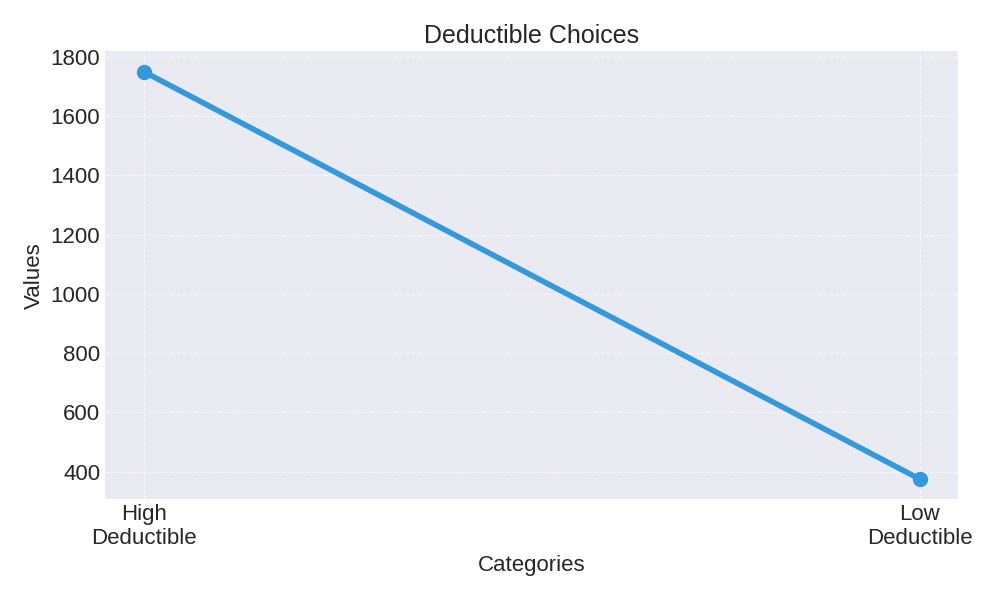
Pro/Con Analysis: High Deductible vs. Low Deductible
Choosing your deductible wisely is crucial for managing your premiums. Your deductible is the amount you pay out-of-pocket before your insurance kicks in after a claim.
| Deductible Level | Pros | Cons | Ideal Scenario |
|---|---|---|---|
| High Deductible (e.g., $1,000-$2,500) | Significantly lower monthly/annual premiums. | Higher out-of-pocket cost if you make a claim. | For drivers with a healthy emergency fund, older vehicles, or those who rarely make claims. |
| Low Deductible (e.g., $250-$500) | Lower out-of-pocket cost if you make a claim. | Higher monthly/annual premiums. | For drivers without a substantial emergency fund, new/expensive vehicles, or those prone to minor accidents. |
Why this matters in real life? If you have an older car worth only a few thousand dollars, a $1,000 deductible might mean your comprehensive or collision coverage won’t pay out much more than your deductible. You could be paying for coverage that offers minimal real-world benefit. Conversely, if you lease a brand-new luxury car, a low deductible protects your significant investment much better.
Minimum Requirements vs. Smart Protection
Every state has minimum car insurance requirements, typically covering liability for bodily injury and property damage you cause to others. These are your absolute baseline. However, smart protection goes beyond just meeting these. It’s about protecting your own assets.
- Liability Coverage: This is non-negotiable. It protects your finances if you’re at fault in an accident. Make sure your liability limits are high enough to protect your assets – typically $100,000/$300,000 for bodily injury and $50,000 for property damage is a strong starting point, often called “100/300/50.” Don’t skimp here; lawsuits can be devastating.
- Collision Coverage: Pays for damage to your car if you hit another car or object, or if your car rolls over. If your car is paid off and isn’t worth much, dropping collision can save a bundle.
- Comprehensive Coverage: Covers damage to your car from non-collision events like theft, vandalism, fire, hail, or hitting an animal. This is often relatively inexpensive and worth keeping for most vehicles.
- Uninsured/Underinsured Motorist (UM/UIM): Protects you if you’re hit by a driver who has no insurance or not enough. With so many uninsured drivers on the road, this is a crucial, often overlooked, layer of protection.
The Power of Comparison: How to Find Your True Deal
You can’t find the best car insurance without comparing multiple providers. This isn’t just about calling your current insurer; it’s about casting a wide net. Relying on a single quote is like buying the first house you see without looking at others – you’ll likely overpay or miss a better fit.
How to “Calculate” Your True Insurance Value
Comparing quotes isn’t just about finding the lowest number. It’s about comparing apples to apples. Here’s how:
- Standardize Your Coverage: When getting quotes, request the exact same coverage limits, deductibles, and endorsements from every company. Don’t let one offer you 50/100/25 liability while another offers 100/300/50.
- Factor in Discounts: Ask each insurer about every possible discount: multi-car, multi-policy (home/auto), good student, defensive driving course, telematics (safe driver tracking), low mileage, anti-theft devices, paid-in-full, and more. Some discounts can shave 10-25% off your premium.
- Read Reviews and Financial Strength: A cheap policy is useless if the company won’t pay out when you need them. Check customer reviews on sites like J.D. Power and assess financial strength ratings from agencies like A.M. Best. Why this matters? A low price now isn’t worth a headache and denial later. You want a company that delivers when it counts.
- Consider the “Total Annual Cost”: Don’t just look at the monthly payment. Some companies add fees for monthly billing. Calculate the total annual cost for each quote.
How to find the best car insurance on a budget
Insider Tips for Comparison Shopping
- Go Beyond the Big Names: Don’t just get quotes from the largest national carriers. Regional insurers, credit union programs, and even direct-to-consumer online providers can offer incredibly competitive rates. The National Association of Insurance Commissioners (NAIC) website offers consumer resources and state-specific information to help you.
- Use an Independent Agent: Independent agents work with multiple insurance companies. They can often do the shopping for you, finding you the best policy and discounts across various providers. They get paid by commission from the insurer, so their services are usually free to you.
- Check Your Credit Score: In many states, your credit-based insurance score significantly impacts your premiums. A better score often means a lower rate. If your credit has improved, it’s a great time to shop around. Learn more about credit scores and their impact on finances at sites like the Consumer Financial Protection Bureau.
- Don’t Forget to Re-shop Annually: Your circumstances, and insurance company rates, change. Make a habit of re-shopping for insurance at least once a year, or whenever you have a major life event (new car, new address, marriage, etc.).

Cutting Costs Without Cutting Corners: Advanced Budgeting Strategies
Finding the best car insurance on a budget isn’t a one-time task; it’s an ongoing strategy. Once you’ve secured a great rate, there are still ways to maintain and even improve your savings.
- Embrace Telematics Programs: Many insurers offer discounts for participation in telematics programs, where a device or app tracks your driving habits (speed, braking, mileage). If you’re a safe driver, this can lead to significant savings. Pro: Big discounts for good drivers. Con: Privacy concerns for some, and can increase rates if you drive poorly.
- Increase Your Deductible (If You Can Afford It): As discussed, a higher deductible means lower premiums. If you have a solid emergency fund of $1,000-$2,500 that you won’t touch for insurance claims, bumping up your deductible is a smart move.
- Drop Unnecessary Coverage: For older cars with low market value (say, under $3,000-$5,000), consider dropping collision and comprehensive coverage. The premium costs might outweigh the potential payout after your deductible.
- Improve Your Driving Record: This one is obvious but powerful. Avoiding accidents and moving violations is the surest way to keep your premiums low over the long term. Consider a defensive driving course, which can sometimes earn you a discount.
- Bundle Your Policies: If you have home, renters, or life insurance, bundling them with your car insurance provider can result in substantial multi-policy discounts. Many companies offer 10-25% off your total premium for bundling.
- Maintain a Good Credit Score: As mentioned, your credit history plays a huge role in your insurance rates in most states. Regularly check your credit report and work to improve your score. Websites like Experian provide free resources for credit monitoring and education.

Conclusion: Take Control of Your Car Insurance Costs
You now have the tools and insider knowledge to stop overpaying and start saving. Finding the best car insurance on a budget isn’t about luck; it’s about being proactive, informed, and persistent. Don’t let the insurance companies dictate your budget. You have the power to make informed decisions that protect your finances.
Your immediate action item: Don’t wait for your next renewal notice. Open a new tab right now and start getting at least three comparison quotes with identical coverage. Use an independent agent, leverage online comparison tools, and ask about every single discount. You deserve to keep more of your hard-earned money.
Disclaimer: The information provided in this article is for educational purposes only and does not constitute financial advice.