
In today’s fast-paced business world, simply having a great product or service isn’t enough. To achieve truly unstoppable growth, businesses must master the art and science of marketing and digital strategies. This comprehensive guide, crafted by an expert financial analyst and educator, will demystify complex concepts, offering clear, actionable steps to propel your business forward. We’ll explore how leveraging cutting-edge marketing and digital techniques can significantly enhance your reach, engagement, and ultimately, your bottom line.
Direct Answer/Summary: Unstoppable growth in the modern era hinges on a strategic blend of digital marketing pillars: Search Engine Optimization (SEO), compelling Content Marketing, active Social Media Engagement, targeted Paid Advertising (PPC), nurturing Email Marketing, and rigorous Data Analytics. By integrating these elements, businesses can effectively reach their target audience, build strong customer relationships, and continuously optimize their strategies for maximum impact and sustained expansion.
Understanding the Modern Landscape: Why Marketing and Digital Matter
The transition from traditional advertising to digital channels has reshaped how businesses connect with customers. Gone are the days when a newspaper ad or a billboard was sufficient. Today, your potential customers are online, searching for solutions, engaging with brands, and making purchasing decisions based on their digital experiences.
Why does this matter in real life? Imagine you own a unique artisanal coffee shop. Relying solely on local foot traffic or print flyers severely limits your potential. By contrast, a strong online presence allows you to showcase your special blends, share customer testimonials, and target coffee lovers within a much wider radius. This shift means that effective marketing and digital presence is no longer optional but essential for survival and growth.

Foundational Pillars of Digital Growth
Building a robust online presence requires a strategic approach across several key areas. These foundational pillars work in concert to establish your brand, attract attention, and convert interest into loyal customers.
1. Search Engine Optimization (SEO): Be Discoverable
Search Engine Optimization (SEO) is the practice of increasing the quantity and quality of traffic to your website through organic search engine results. It’s about making sure your business appears prominently when potential customers search for products or services you offer.
Why does this matter in real life? Think about a law firm specializing in family law. If their website doesn’t rank for terms like “divorce lawyer [city name]” or “child custody attorney,” they’re missing out on clients actively seeking their services. Investing in SEO helps them appear on the first page of search results, attracting organic, high-intent traffic. According to the U.S. Small Business Administration, establishing a strong online presence is crucial for business growth and competitiveness.
2. Content Marketing: Educate and Engage
Content marketing involves creating and distributing valuable, relevant, and consistent content to attract and retain a clearly defined audience. This can include blog posts, articles, videos, infographics, and podcasts.
Why does this matter in real life? This strategy builds authority and trust. Consider a financial advisory firm that regularly publishes insightful articles on retirement planning, investment strategies, or tax tips. Clients searching for financial guidance are more likely to trust and ultimately choose an advisor who consistently provides helpful information, positioning themselves as an expert. In a typical scenario, a firm that dedicates resources to quality content marketing might see website traffic increase by 20-30% and lead generation improve by 10-15% within 6-12 months.
3. Social Media Engagement: Build Community
Social media marketing uses social media platforms (like Facebook, Instagram, LinkedIn, TikTok) to connect with your audience, build your brand, increase sales, and drive website traffic. It’s about fostering two-way communication.
Why does this matter in real life? Social media offers a direct line to your customers, allowing for real-time interaction and feedback. For example, a local bakery using Instagram to showcase daily specials, behind-the-scenes content, and interact with comments can create a strong community. When customers feel connected, they become advocates, leading to valuable word-of-mouth referrals and increased loyalty.

Advanced Strategies for Amplified Reach
Once you’ve established your foundational presence, these advanced strategies can significantly amplify your reach and refine your targeting for even greater growth.
1. Paid Advertising (PPC): Target with Precision
Paid advertising, often referred to as Pay-Per-Click (PPC), involves paying a platform (like Google, Facebook, Instagram) to display your advertisements. You only pay when someone clicks on your ad.
Why does this matter in real life? PPC offers immediate visibility and highly precise targeting. Imagine a new fintech startup launching an innovative budgeting app. They can use Google Ads to target individuals searching for “best budgeting apps” or “personal finance tools.” Simultaneously, social media ads can reach demographics known for early tech adoption and financial savviness. This precision ensures your advertising budget is spent on reaching the most relevant audience. It’s crucial to understand ethical advertising practices, as outlined by bodies like the Federal Trade Commission.
2. Email Marketing: Nurture Relationships
Email marketing is the process of sending commercial messages to a group of people using email. It typically involves building a list of subscribers and sending them newsletters, promotional offers, or updates.
Why does this matter in real life? Email marketing boasts one of the highest Returns on Investment (ROI) in digital marketing. For example, a real estate agent can build an email list of potential buyers and sellers. By sending personalized updates on new listings, market trends, or helpful homeowner tips, they nurture relationships over time. This consistent, direct communication keeps them top-of-mind, leading to higher open rates and more qualified inquiries when a client is ready to make a move.
3. Analytics and Data-Driven Decisions: Optimize Constantly
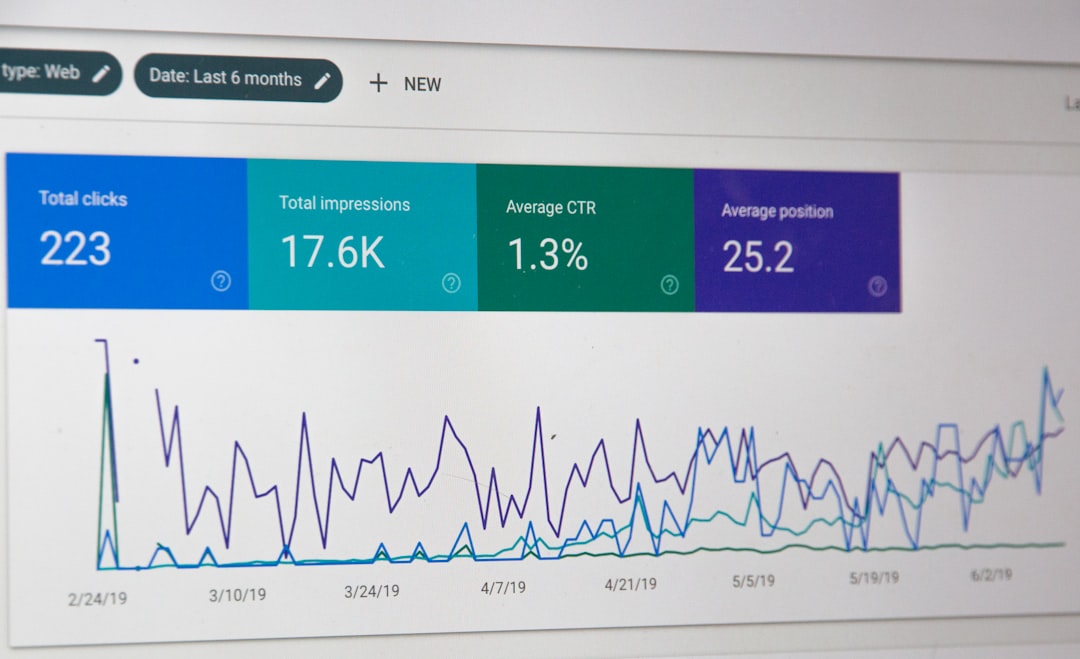
Analytics involves collecting, processing, and analyzing data about website traffic, user behavior, and campaign performance. This data provides insights into what’s working and what isn’t.
Why does this matter in real life? Without data, your marketing efforts are just guesswork. An online education platform, for instance, can analyze which of its digital marketing channels drive the most course enrollments and completions. If they discover that social media campaigns for a specific course generate high clicks but low completion rates, while blog posts on related topics lead to higher engagement and completions, they can adjust their marketing and digital spend accordingly. This data-driven approach might lead to a 15-25% increase in enrollment efficiency and a better allocation of resources. Understanding how to leverage data for business insights is a key topic discussed by institutions like Bloomberg and other leading business publications.

Frequently Asked Questions (FAQ)
Q1: Is digital marketing expensive for small businesses?
Not necessarily. While some strategies like large-scale paid ad campaigns can be costly, many foundational digital marketing efforts, like SEO and content creation, can be started with minimal investment. The key is to start small, measure results, and scale what works. Options exist for every budget.
Q2: How long does it take to see results from digital marketing?
Results vary significantly depending on the strategy. Paid advertising can yield immediate results, while SEO and content marketing often take several months (e.g., 3-6 months or more) to show significant impact. Consistency and patience are crucial for long-term success.
Q3: Should my business use all these marketing and digital strategies?
Not always, especially when starting out. It’s more effective to focus on a few strategies that best fit your business goals, target audience, and resources. Once those are established and yielding results, you can gradually expand into other areas. A holistic approach is ideal, but a phased implementation is often more practical.
Q4: What’s the biggest mistake businesses make with digital marketing?
The biggest mistake is inconsistency and failing to track results. Many businesses jump from one trend to another without a clear strategy or without analyzing what’s actually working. Regular monitoring of analytics and willingness to adapt are vital for avoiding wasted effort.
Conclusion
Achieving unstoppable growth in today’s interconnected world demands a proactive and intelligent approach to marketing and digital strategies. By understanding and implementing the foundational and advanced pillars discussed—from ensuring discoverability with SEO to nurturing relationships via email and optimizing through data analytics—your business can establish a powerful online presence, attract the right audience, and convert interest into lasting loyalty.
Don’t let the complexity deter you. Start with a solid plan, embrace continuous learning, and commit to consistent execution. The digital landscape is an ever-evolving opportunity. Take the first step today to transform your business’s growth trajectory.
Disclaimer: The information provided in this article is for educational purposes only and does not constitute financial advice.