
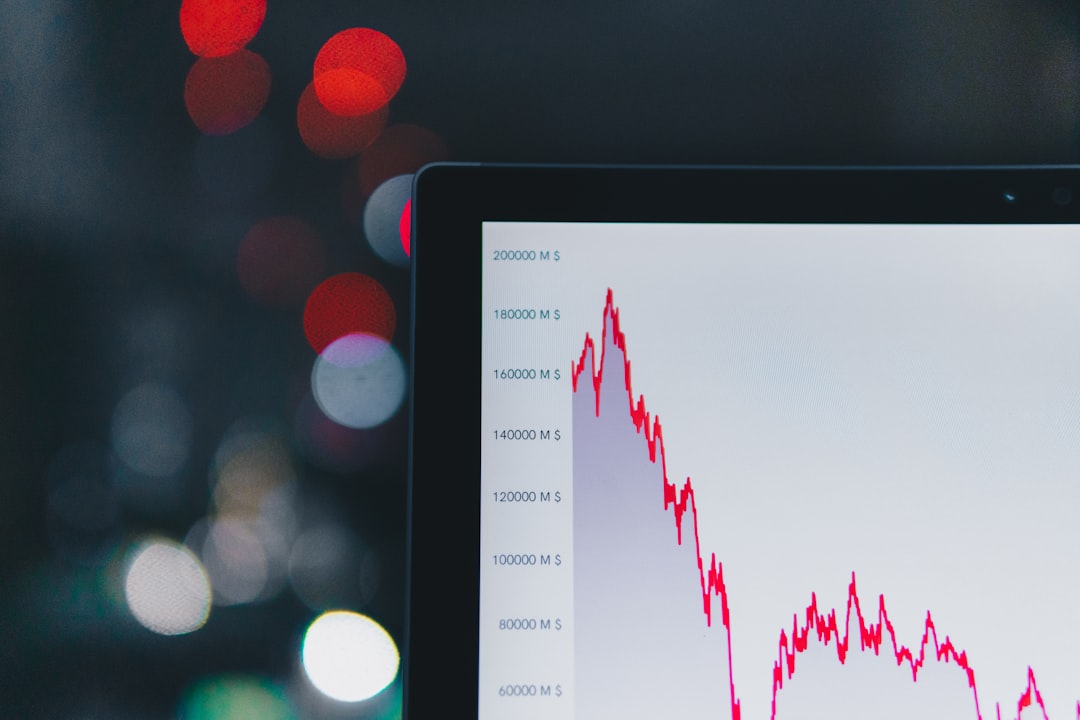
Are you staring at your screen, overwhelmed by conflicting financial advice, secretly worried you’re missing out on building real wealth, or perhaps even worse, making a costly mistake? You’re not alone. Many aspiring investors feel paralyzed by the sheer volume of information, believing they need a finance degree or some insider secret to succeed. As your financial strategist, I’m here to tell you that’s a myth. Your journey to genuine financial confidence, understanding, and long-term wealth starts with a solid foundation, and the best books about investing are your clearest, most reliable compass.
Forget the hype, the get-rich-quick schemes, and the endless scroll of social media gurus. What you truly need is timeless wisdom, distilled into actionable principles. I’m going to guide you through exactly what to seek out and what to avoid, ensuring your first steps into investing are firm and well-informed. Let’s cut through the noise and equip you with the knowledge to make smart decisions.

Why Books Triumph Over Fleeting Online Advice
In our hyper-connected world, instant information is everywhere. But when it comes to something as critical as your financial future, immediate gratification can lead to significant pain. Relying solely on snippets, trending videos, or forum opinions is like building a house on sand.
The Pitfalls of Online Noise and Shallow Content
Imagine you’re trying to learn to fly a plane by watching a few YouTube videos. You might pick up some terms, but you won’t grasp the underlying physics, emergency procedures, or the coordinated precision required. The internet, while vast, is often fragmented, prone to misinformation, and lacks the structured progression essential for complex topics. You might find a dazzling tip about a “hot stock” that promises quick returns, only to discover later it was driven by short-term speculation, not fundamental value. This leads to impulsive decisions and often, losses.
Insider Tip: Online content is excellent for current news or quick explanations, but it rarely provides the holistic understanding and historical context found in a well-researched book. It’s the difference between a soundbite and a symphony.
The Power of a Structured Learning Path
A great book provides a coherent narrative, building concepts logically from the ground up. It explains not just “what to do,” but “why it matters in real life.” This depth helps you understand the bigger picture, recognize patterns, and develop a resilient investment philosophy. For example, understanding how inflation erodes purchasing power makes the argument for investing not just an abstract concept, but a crucial defense of your future financial security.
Think of it this way: If you were launching a small business, would you rely on random blog posts or read a comprehensive guide by successful entrepreneurs? Investing is no different. It requires a foundational education to navigate its complexities effectively.
What to Prioritize in the Best Books About Investing
When you’re searching for the best books about investing, don’t just grab the latest bestseller promising instant riches. Focus on books that impart evergreen wisdom, not fleeting trends. Your goal is to become a savvy, independent thinker, not a market follower.
Principles Over Predictions
The market is unpredictable in the short term, but certain principles endure. Look for books that emphasize concepts like value investing, diversification, asset allocation, and understanding market history. These are the bedrock of long-term success. A book teaching you to “read the tea leaves” for daily stock movements is a red flag. Instead, seek out authors who advocate for a disciplined, patient approach.
Common Myth to Avoid: Believing you can “time the market.” No one consistently predicts market tops or bottoms. Books that promote this idea are misleading. Instead, focus on “time in the market,” a principle reinforced by solid investment literature, allowing your money to grow over the long haul.
Actionable Advice, Not Just Theory
While theoretical understanding is important, the best books translate concepts into practical steps. They guide you on how to start an investment account, understand different investment vehicles like ETFs or mutual funds, and even how to build a basic portfolio. Imagine a scenario where you’ve saved $5,000. A good book won’t just tell you about the stock market; it will explain how to actually open a brokerage account, choose your first low-cost index fund, and set up automatic contributions. This bridges the gap between knowing and doing.

Understanding Risk and Reward
Every investment carries risk, and truly understanding this relationship is paramount. A good book won’t sugarcoat the potential for losses but will provide frameworks for managing and mitigating risk, such as diversification across asset classes. It helps you assess your own risk tolerance honestly. For instance, if you are a young investor with decades until retirement, you might be comfortable with more equity exposure than someone nearing retirement, and the right book will explain the rationale behind these varying strategies. For deeper insights into market dynamics and investor protection, consider resources from reputable financial regulatory bodies like the U.S. Securities and Exchange Commission (SEC).
Insider Tips for Beginner Investors (Beyond the Books)
Even with the best books about investing in hand, there are critical real-world applications and mindsets that complement your learning.
Don’t Chase Hot Stocks or Financial Fads
You’ll inevitably hear about a friend who “doubled their money” on a single stock. This creates FOMO (Fear Of Missing Out). Resist it. The vast majority of these stories are survivorship bias – you only hear about the wins, not the countless losses. The best books about investing will consistently preach prudence and a long-term perspective, steering you away from speculative gambling. For a broader understanding of how global markets operate, staying informed through respected financial news outlets like Bloomberg can be incredibly valuable, but always filter news through your learned principles.
The Power of Compounding Early
This is arguably the most powerful concept in investing, and books dedicated to beginner investors will highlight it. Imagine you invest just $100 per month starting at age 25, earning an average market return of, say, 7% annually. By age 65, you could have accumulated between $240,000 and $260,000. If you wait until age 35 to start, that same $100 per month might only grow to between $110,000 and $120,000. The difference is staggering, all thanks to the magic of compound interest working its wonders over time. Understanding this principle fundamentally changes your approach to saving and investing. Explore more about the benefits of early investing and compound interest with resources from organizations like FINRA.

Automate Your Investments
Once you’ve grasped the core principles from your reading, put them into practice by automating your contributions. Set up an automatic transfer of a fixed amount from your checking account to your investment account every payday. This removes emotion from the equation, ensures consistency, and allows you to “pay yourself first” without even thinking about it. This discipline is a hallmark of successful investors.
Conclusion: Your Investment Journey Starts Now
The path to becoming a confident, successful investor doesn’t require a crystal ball or immense wealth to start. It requires knowledge, discipline, and a willingness to learn. By seeking out the best books about investing that focus on foundational principles, actionable advice, and a clear understanding of risk, you’re not just buying books—you’re investing in yourself and your financial future.
Don’t procrastinate. Pick up one of these foundational guides today, absorb its wisdom, and start applying what you learn. The sooner you begin to understand the rules of the game, the sooner you can start playing to win.
Your Call to Action: Identify one investing concept you want to master first. Then, seek out a highly-rated, well-reviewed book that tackles that concept head-on. Commit to reading a chapter a week, and watch your financial literacy (and confidence) soar.
Disclaimer: The information provided in this article is for educational purposes only and does not constitute financial advice.