
You’re staring at a dozen tabs, each promising the “best deal” on car insurance. One offers a rock-bottom price, another boasts incredible coverage, and a third just leaves you scratching your head. You need a reliable car insurance company, but the sheer volume of choices and conflicting information is paralyzing. You’re not just looking for a policy; you’re looking for peace of mind, protection for your asset, and most importantly, not getting ripped off.
Comparing car insurance quotes feels like a full-time job, doesn’t it? Every time your policy renews, you feel that familiar dread of digging through dense jargon, trying to figure out if you’re overpaying or under-covered. It’s a critical decision that impacts your wallet and your safety, yet it often feels like a rigged game. Let’s cut through the noise and get you the clear, actionable plan you need to find your best car insurance company and start saving immediately.

Stop the Guesswork: Understand What Drives Your Premiums
You might think your driving record is the only factor, but it’s just one piece of a complex puzzle. Car insurance companies use a sophisticated algorithm to assess your risk, and understanding these elements empowers you to find savings. This isn’t about manipulating the system; it’s about being an informed consumer.
Your Driving Record & Location: More Than Just Speeding Tickets
Your driving history, including accidents, tickets, and even gaps in coverage, heavily influences your rates. A clean record means lower risk for the insurer. But beyond your driving, your actual address matters. Why does this matter in real life? Imagine you live in an urban area with high traffic density and higher rates of vandalism or theft compared to a quiet rural town. Even with an identical car and driving record, your urban neighbor might pay significantly more. This isn’t fair, but it’s how insurers price risk.
Insider Tip: Some zip codes within the same city can have vastly different rates. If you’re moving, get quotes for potential addresses before signing a lease. This small detail could save you hundreds annually on your car insurance policy.
Vehicle Type & Usage: Not All Cars Are Created Equal
The car you drive impacts your premium in multiple ways. Expensive sports cars typically cost more to insure due to higher repair costs and increased theft risk. Even safety features play a role. A car with advanced driver-assistance systems might reduce your collision risk but could increase repair costs if those high-tech sensors are damaged. This matters because a “cheap” car to buy might be expensive to insure.
Consider a scenario: You’re comparing two cars, both similar in age. One is a standard sedan, the other a performance-oriented model. The performance car, while appealing, will almost certainly have higher insurance premiums due to its higher accident rate potential and more expensive parts. Your daily commute length also matters; the more miles you drive, the higher the perceived risk.
Credit Score & Demographics: Common Myths to Avoid
Many people don’t realize their credit score can significantly affect their insurance rates. Insurers often use a credit-based insurance score, which is a variation of your regular credit score, to predict the likelihood of you filing a claim. A higher score often indicates more responsible behavior, leading to lower premiums. Myth to Avoid: Believing your credit score only affects loans. It impacts insurance too!
Pro/Con Analysis: Credit Score Impact
- Pro: A good credit score can unlock substantial savings on your premiums, rewarding your financial responsibility.
- Con: A poor credit score can lead to significantly higher rates, making insurance less affordable even if you’re a safe driver. This is a contentious practice, but it’s legal in most states.

The Core Coverages You Actually Need (and the Ones You Might Not)
Navigating coverage options can feel like deciphering a foreign language. But understanding what each type does is crucial to ensuring you’re protected without paying for unnecessary extras. This is where your financial advocate hat truly comes on.
Mandatory vs. Optional: Building Your Protection Foundation
Every state has minimum liability requirements. This coverage pays for damages and injuries you cause to others in an accident. It’s the absolute baseline. Why this matters: Driving with only state minimums might seem cheap, but if you cause a serious accident, those minimums can quickly be exhausted, leaving you personally responsible for the rest. This could wipe out your savings or even lead to wage garnishment.
Beyond liability, you’ll typically consider:
- Collision Coverage: Pays for damage to your own vehicle from a collision, regardless of fault.
- Comprehensive Coverage: Covers non-collision damage, like theft, vandalism, fire, or hitting an animal.
- Uninsured/Underinsured Motorist (UM/UIM): Protects you if the at-fault driver has no insurance or not enough. This is critically important given how many drivers are uninsured.
- Personal Injury Protection (PIP) or Medical Payments (MedPay): Covers medical expenses for you and your passengers, regardless of fault.
Insider Tip: For older cars with low market value (e.g., under $3,000-$5,000), consider dropping collision and comprehensive coverage. The premium cost might outweigh the potential payout after your deductible. Always calculate the maximum potential payout vs. the annual premium cost.
Deductibles: A Balancing Act Between Cost and Risk
Your deductible is the amount you pay out-of-pocket before your insurance kicks in. A higher deductible typically means a lower premium. This matters for your cash flow. Can you comfortably afford a $1,000 deductible if an accident happens tomorrow? Or would a $500 deductible be more manageable, even if it means slightly higher monthly payments?
Mini Case Study: Imagine two drivers, both with similar cars and records. Driver A chooses a $500 deductible and pays $120/month. Driver B chooses a $1,000 deductible and pays $100/month. Over a year, Driver A pays $1,440 and Driver B pays $1,200. If neither has an accident, Driver B saves $240. If both have an accident causing $3,000 in damage, Driver A pays $500 out-of-pocket, Driver B pays $1,000. It’s a calculation of your risk tolerance and emergency fund.
How to Calculate Your Potential Savings (and Avoid Hidden Traps)
Calculating your potential savings isn’t just about comparing the bottom line. It’s about understanding the total value, including discounts, service quality, and future rate stability. You need a systematic approach, not just a quick Google search for a cheap car insurance company.
Comparing Quotes Effectively: The Apples-to-Apples Method
When you get quotes, ensure you’re comparing identical coverage limits, deductibles, and endorsements. Don’t fall for a seemingly cheaper quote that secretly cut your UM/UIM coverage in half. Always ask for a detailed breakdown of what’s included. Many online comparison tools simplify this, but a quick call to an agent can confirm details.
Here’s how to calculate potential savings:
1. Gather Your Current Policy Details: Write down all your current coverage limits, deductibles, and any add-ons.
2. Get Multiple Quotes: Use comparison sites, then get direct quotes from at least 3-5 different insurers. For a comprehensive list of reputable insurers, check resources like Consumer Reports.
3. Match Everything: Ensure new quotes precisely match your current coverage. If a new quote is lower, confirm it’s not due to reduced coverage levels.
4. Identify Discount Opportunities: Ask each insurer about every discount they offer (see next section).
5. Consider the “Total Cost”: Factor in potential rate increases or decreases at renewal. Some companies offer a low introductory rate that jumps significantly later.
6. Read Reviews: Look beyond price. Check customer service reviews and claims handling speed on sites like J.D. Power. A cheap policy is worthless if they’re impossible to deal with after an accident.
Car Insurance Savings Calculator
Premium Comparison Scenario
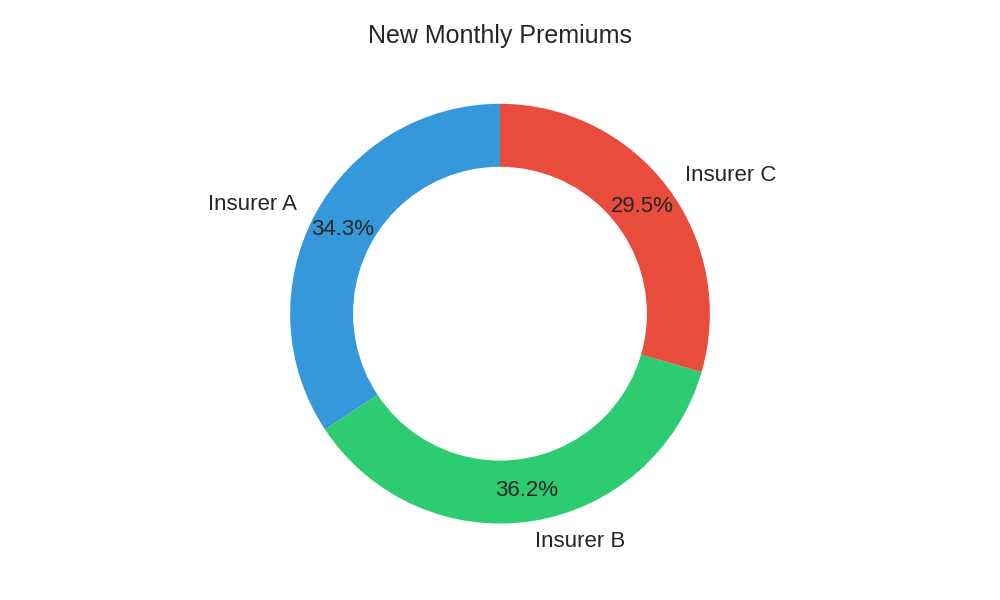
| Insurer | Monthly Premium (Current) | Monthly Premium (New Quote) | Annual Savings Potential | Customer Service Rating (1-10) |
|---|---|---|---|---|
| Current Provider | $145 | N/A | N/A | 7 |
| Insurer A | N/A | $128 | $204 | 8 |
| Insurer B | N/A | $135 | $120 | 9 |
| Insurer C | N/A | $110 | $420 | 6 |
This table illustrates how a seemingly significant saving (Insurer C) might come with a trade-off in customer service. Always weigh the total value.
Insider Strategies to Slash Your Bill
Beyond finding the right coverage, specific strategies can drastically reduce your premiums. These aren’t secrets; they’re just often overlooked by busy drivers.
Leverage Discounts: Don’t Leave Money on the Table
Discounts are your best friend. Always ask about every possible discount when getting a quote. You’d be surprised how many you qualify for. Why this matters: Stacking multiple small discounts can lead to substantial overall savings.
- Good Driver Discount: A clean record for several years.
- Multi-Car Discount: Insuring more than one vehicle with the same provider.
- Safe Driver Program: Telematics devices or apps that monitor your driving habits (e.g., speed, braking).
- Good Student Discount: For young drivers maintaining a certain GPA.
- Anti-Theft Device Discount: If your car has alarms or tracking systems.
- Bundling Discount: Combining home/renters and auto insurance.
- Paid-in-Full Discount: Paying your premium for 6 or 12 months upfront.
- Professional/Affinity Groups: Some employers or organizations have partnerships.
The Power of Bundling: More Than Just Convenience
Bundling your car insurance with other policies like home, renters, or even life insurance can lead to significant savings. Insurers love customers who bring them more business. Insider Tip: Don’t just assume bundling is cheaper. Always get separate quotes for each policy, then compare them to the bundled quote. Sometimes, getting your policies from different providers can still be more cost-effective. However, for many, the bundled discount and convenience are hard to beat. You can explore government resources like USA.gov for general consumer advice on financial products.

Conclusion: Your Path to Smart Savings Starts Now
Finding the best car insurance company isn’t about chasing the absolute lowest price; it’s about securing the right coverage for your needs at the most competitive rate. You now have the tools and insider knowledge to approach this process with confidence. Stop letting comparison fatigue win.
Take Action Now: Gather your current policy, check your credit score, and get at least three new quotes matching your current coverage. Don’t forget to ask about every single discount. This proactive step could put hundreds of dollars back into your pocket this year. Your financial future, and your peace of mind on the road, depend on it.
Disclaimer: The information provided in this article is for educational purposes only and does not constitute financial advice.