

Navigating the complex world of insurance can feel like a daunting task. With countless providers, policy types, and jargon, finding the right coverage at the right price often leaves individuals and businesses feeling overwhelmed. This is precisely where an insurance broker becomes an invaluable ally. An insurance broker acts as your personal advocate, simplifying the process and ensuring you secure optimal protection tailored to your specific needs. They are your guide to unlocking savings and achieving optimal coverage, making sense of an often opaque industry.

What is an Insurance Broker?
An insurance broker is an independent professional who works on behalf of clients to find the best insurance policies available in the market. Unlike an insurance agent, who typically represents one or a limited number of insurance companies, a broker maintains relationships with multiple carriers. This independence allows them to compare various policies, terms, and prices across a wide spectrum of insurers, always with your best interests at heart.
Their primary role is to understand your unique risks and requirements, then scour the market to present you with suitable options. They don’t push a specific company’s products; instead, they provide objective advice, helping you make an informed decision. This client-centric approach distinguishes the service an insurance broker provides, ensuring you receive personalized attention and unbiased recommendations.
Why Work with an Insurance Broker?
Partnering with an insurance broker offers a multitude of benefits, translating into better coverage and potential financial savings. Their expertise and market access are invaluable resources.
- Access to Multiple Providers: Brokers work with numerous insurance companies, giving you access to a broader range of products than you’d find by contacting insurers individually. This increased choice often leads to more competitive pricing and comprehensive options.
- Expert Guidance and Tailored Advice: Insurance policies can be intricate. Brokers possess deep industry knowledge, understanding the nuances of different coverages and exclusions. They can explain complex terms in simple language and advise on the precise coverage amounts needed to protect your assets effectively.
- Time and Cost Savings: Shopping for insurance is time-consuming. A broker handles the legwork for you, comparing quotes and negotiating terms. Their ability to find discounts and better rates often means you save money in the long run, beyond the time saved during the search process.
- Advocacy During Claims: Should you ever need to file a claim, your broker can serve as a valuable advocate. They can assist with the claims process, help interpret policy language, and ensure fair treatment from the insurer, reducing your stress during difficult times.
- Personalized Service: Brokers take the time to understand your unique situation, whether it’s your family’s needs, your business operations, or specific assets. This personalized approach ensures your policy truly reflects your circumstances, avoiding gaps in coverage or unnecessary expenses.
Types of Insurance an Insurance Broker Can Help With
An insurance broker can assist with a vast array of insurance types, catering to both personal and commercial needs. Their versatility makes them a one-stop shop for many clients.
Personal Lines Insurance
- Auto Insurance: From liability to comprehensive coverage, brokers can find policies that protect your vehicle and ensure compliance with state laws.
- Homeowners/Renters Insurance: They help secure coverage for your dwelling, personal belongings, and liability, whether you own or rent.
- Life Insurance: Essential for protecting your loved ones’ financial future, brokers can navigate term, whole, and universal life options.
- Health Insurance: While often a specialized field, some brokers can assist with individual health plans or guide you through marketplace options, though many larger employers provide this benefit.
- Umbrella Insurance: Providing additional liability coverage beyond standard policies, a broker can explain its importance for robust protection.
Commercial Lines Insurance
- General Liability Insurance: Critical for businesses, covering claims of bodily injury or property damage.
- Professional Liability (E&O): Protects against claims of negligence or errors in professional services.
- Workers’ Compensation: Required in most states, covering employee injuries or illnesses sustained on the job.
- Business Property Insurance: Safeguarding your business’s physical assets, from buildings to equipment.
- Cyber Liability Insurance: Increasingly vital, covering data breaches and cyberattacks.
How an Insurance Broker Helps You Save Money (and Get Better Coverage)
The expertise of an insurance broker extends beyond simply finding a policy. They strategically help you optimize your insurance portfolio for both cost-effectiveness and comprehensive protection.
- Market Comparison and Negotiation: Brokers leverage their relationships with multiple carriers to compare quotes and, where possible, negotiate better terms or rates on your behalf. This competitive shopping process is incredibly difficult for an individual to replicate effectively.
- Identifying Applicable Discounts: Many insurers offer various discounts (e.g., multi-policy, good driver, home security systems). A knowledgeable broker knows which discounts apply to you and ensures they are factored into your premium, maximizing your savings.
- Optimizing Coverage Levels: Avoiding under-insurance leaves you vulnerable, while over-insurance means paying for coverage you don’t need. Brokers help you strike the right balance, ensuring adequate protection without unnecessary expenses.
- Proactive Risk Assessment: They assess your risks, identifying potential gaps in coverage before they become costly problems. This foresight helps you build a robust insurance strategy that evolves with your needs.
The Process: Working with Your Insurance Broker
Engaging with an insurance broker is a streamlined process designed to be client-friendly and efficient.
- Initial Consultation and Needs Assessment: Your broker will start by thoroughly understanding your personal situation, assets, liabilities, or business operations. This involves discussing your current coverage, risk tolerance, and financial goals.
- Market Research and Quotation: Based on the assessment, the broker approaches various insurance carriers to obtain competitive quotes tailored to your specific requirements. They leverage their industry connections and knowledge of underwriting criteria.
- Recommendation and Explanation: The broker then presents you with the best options, clearly explaining the pros and cons of each policy, including coverage limits, deductibles, and premiums. They translate complex insurance jargon into understandable terms.
- Policy Placement and Activation: Once you choose a policy, the broker assists with all the paperwork, ensuring the policy is correctly bound and activated. They act as your liaison with the chosen insurance company.
- Ongoing Support and Review: An excellent broker’s service doesn’t end after policy activation. They provide continuous support, assisting with policy changes, renewals, and claims. Regular reviews ensure your coverage remains appropriate as your life or business evolves.

Understanding Financial Commitments and Repayments
While an insurance broker focuses on optimizing your insurance premiums, a broader understanding of personal financial commitments, such as loan repayments, is fundamental for holistic financial planning. Clients occasionally consider financing larger annual premiums or managing other debts, and grasping the mechanics of regular payments is vital for effective budgeting and long-term financial health. This section provides a simplified example of loan repayment to illustrate the structure of regular financial obligations, a skill transferable to managing various financial products, including insurance payment plans.
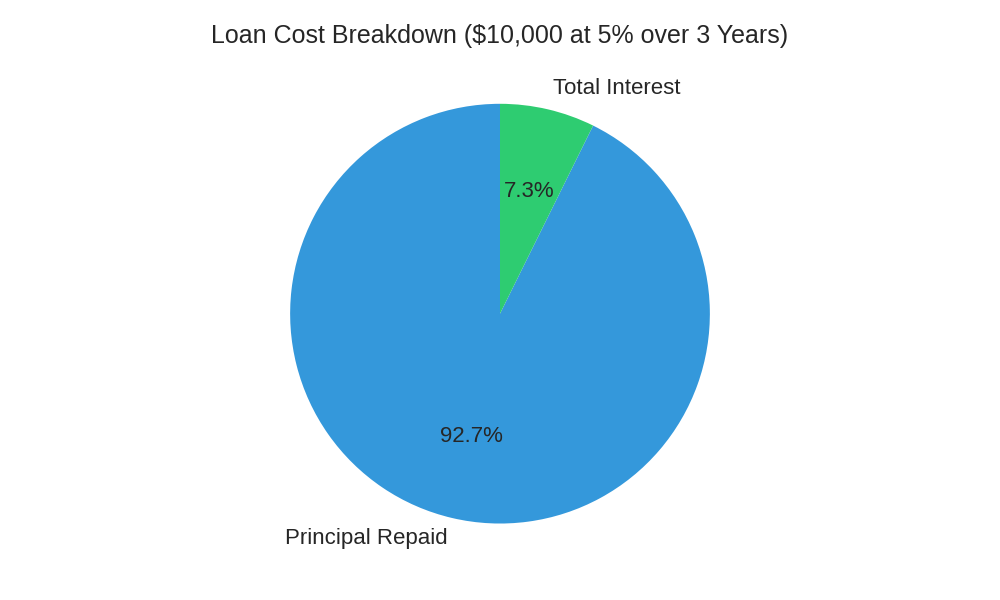
If you were to borrow $10,000 at a 5% annual interest rate, repaid over 3 years, you would pay approximately $299.71 per month. Over the loan’s lifetime, you would pay back the principal amount plus interest. Understanding these dynamics helps in making informed financial decisions, whether for a personal loan or for managing your insurance premiums.
| Year | Remaining Balance | Monthly Payment |
|---|---|---|
| Start | $10,000.00 | – |
| 1 | $6,838.00 | $299.71 |
| 2 | $3,491.00 | $299.71 |
| 3 | $0.00 | $299.71 |
Monthly Payment Calculator
This table illustrates how consistent payments gradually reduce your principal balance over time. The total amount paid would be approximately $10,789.56, meaning roughly $789.56 in total interest over the three years. For more comprehensive information on understanding financial products and consumer protection, you can explore resources like the Consumer Financial Protection Bureau (CFPB).
Choosing the Right Insurance Broker
Choosing the right insurance broker is a crucial step in protecting your financial future. A reliable broker helps you understand complex policies, compares multiple options, and ensures you receive coverage tailored to your needs. By working with an experienced and transparent broker, you can avoid unnecessary costs and reduce financial risks. The right guidance not only saves money but also provides long-term peace of mind. Taking the time to select a trusted insurance broker is a smart financial decision.
Disclaimer: The information provided in this article is for educational purposes only and does not constitute financial advice.