

Navigating the complexities of unemployment can be daunting, but understanding how to apply for benefits online can provide a crucial financial lifeline. This guide will walk you through everything you need to know about unemployment insurance online, from eligibility to maintaining your benefits. We’ll demystify the process, ensuring you can get your benefits fast and efficiently.
Applying for unemployment insurance online is typically the quickest way to receive support after job loss. This comprehensive guide, crafted by a financial expert, aims to simplify the entire journey. We will cover key steps, common pitfalls, and essential tips to help you secure the benefits you deserve.

Understanding Unemployment Insurance: What It Is and Why It Matters
Unemployment Insurance (UI) is a joint federal and state program designed to provide temporary financial assistance to eligible workers who are unemployed through no fault of their own. It offers a safety net, helping individuals cover essential living expenses while they actively search for new employment.
Imagine you’ve just been laid off from your job due to company restructuring, a situation completely out of your control. Without UI, your income stops abruptly, potentially leading to immediate financial hardship. UI benefits matter in real life because they bridge this critical gap, allowing you to focus on job searching rather than immediate financial panic.
The Purpose of UI Benefits
The primary goal of UI is to stabilize the economy during downturns and provide financial stability for individuals and families. It prevents severe economic shocks that could impact local communities. These benefits are not welfare; they are earned entitlements based on your past employment history and wages.
Eligibility for Unemployment Insurance Benefits
While UI rules vary slightly by state, core eligibility criteria are consistent across the nation. Generally, you must have worked a certain amount and earned a minimum wage during a specified “base period” before becoming unemployed. This ensures that only those with a recent work history qualify.
For example, if someone in a typical state earned between $3,000 and $5,000 in their highest-earning quarter during their base period, they would likely meet the minimum earnings requirement. Understanding these specific requirements matters in real life because it helps you determine your likelihood of approval before you even begin the application process.
Key Eligibility Criteria
- Unemployed Through No Fault of Your Own: You must have lost your job due to reasons beyond your control, such as a layoff or business closure. Voluntarily quitting or being fired for misconduct typically disqualifies you.
- Able and Available for Work: You must be physically and mentally capable of working and ready to accept suitable employment if offered.
- Actively Seeking Work: You are usually required to prove you are making efforts to find a new job, often by reporting a certain number of job contacts each week.
- Monetary Eligibility: You must have earned sufficient wages during a specified “base period” (typically the first four of the last five completed calendar quarters before your claim).
Preparing Your Application: Documents and Information Needed
A successful online application begins with thorough preparation. Gathering all necessary documents and information beforehand can significantly speed up the processing of your claim. This proactive step helps avoid delays that could prolong your wait for benefits.
Imagine you are ready to file your unemployment insurance online claim. Having details like your past employer’s full address and phone number, specific dates of employment, and your exact reason for separation instantly accessible will make completing the forms much easier. This matters in real life because incomplete or inaccurate information is a leading cause of claim delays or denials.
Essential Documents Checklist
- Your Social Security number.
- Your driver’s license or state ID.
- Names, addresses, and phone numbers of all employers for the past 18 months.
- Dates of employment and reasons for separation from each employer.
- Gross wages earned from each employer.
- Copies of W-2 forms or pay stubs from the past 18 months.
- If you were a federal employee, Standard Form 8 and Standard Form 50.
- If you were a military employee, DD Form 214.
- Bank account and routing numbers for direct deposit.

The Online Application Process: Step-by-Step Guide
The convenience of filing for unemployment insurance online is immense, allowing you to submit your claim from anywhere with internet access. Each state operates its own UI system, so the first step is always to locate your state’s specific unemployment agency website. These sites are designed to be user-friendly, but attention to detail is crucial.
In a typical scenario, you would visit your state’s Department of Labor or Workforce Development website. You’d then navigate to the unemployment benefits section and look for options like “File a New Claim” or “Apply for Benefits.” A smooth online application process prevents delays and ensures your claim moves forward efficiently.
How to File Your Unemployment Insurance Online Claim
- Locate Your State’s UI Website: Search for “[Your State] Unemployment Benefits” to find the official state government portal.
- Create an Account: Most systems require you to create a secure online account with a username and password. Keep this information safe.
- Complete the Application Form: Fill out all sections accurately and thoroughly. This includes personal information, employment history, and separation details.
- Submit Supporting Documents: If prompted, upload scanned copies of any required documents directly through the portal.
- Review and Submit: Before final submission, carefully review all information for errors. Incorrect details can cause significant delays.
- Understand Your Waiting Period: Many states have a waiting week for which no benefits are paid.
- Register for Work (If Required): Some states require you to register with their state employment service.
How Your Unemployment Benefits Are Calculated (Plain Language)
Understanding how your unemployment benefits are calculated is essential for financial planning during unemployment. While the exact formulas vary by state, the core concept revolves around your past earnings during a specific period called the “base period.” This ensures that your benefit amount is reflective of your previous income.
For example, your state might look at your wages during your highest-earning quarter within the base period. They might then pay you a percentage of that amount, typically ranging from 40% to 60% of your average weekly wage, up to a state-defined maximum. This matters in real life because it gives you a realistic expectation of the financial support you’ll receive, helping you budget accordingly.
Unemployment Insurance Online Get Your Benefits Fast
Understanding Your Weekly Benefit Amount (WBA)
Your Weekly Benefit Amount (WBA) is the specific sum you receive for each week you are eligible for benefits. States set both minimum and maximum WBA limits. For instance, a state might have a minimum WBA of $50 and a maximum of $650 per week. Your WBA will fall within this range based on your reported earnings during the base period.
These calculations are designed to provide a living wage, not to replace your full income. It’s a temporary support system. Your total benefit duration also varies by state, typically ranging from 13 to 26 weeks, though extensions may be available during periods of high unemployment.
Maintaining Eligibility: Ongoing Requirements and Certifications
Receiving unemployment benefits isn’t a one-time event; it requires ongoing participation and adherence to state rules. You must “certify” your eligibility, usually on a weekly or bi-weekly basis, to continue receiving payments. This process ensures you still meet the criteria.
A concrete example of this is a state requiring you to document at least three job search contacts each week. You might need to log the company name, contact person, date, and method of contact (e.g., submitted resume online, in-person application). This matters in real life because failure to properly certify or meet job search requirements can lead to delayed payments or even suspension of your benefits.
What is “Actively Seeking Work”?
Actively seeking work means you are taking genuine steps to find new employment. This typically involves more than just browsing job boards. It can include submitting job applications, attending job fairs, networking, or participating in approved training programs. Each state has specific guidelines on what constitutes an acceptable job search.
| Phase | Typical Duration | Key Actions for Claimant | Potential Outcome (Example) |
|---|---|---|---|
| Initial Claim Filing | 1-3 Weeks | Complete online application, provide all documents. | Claim processed, initial determination issued. |
| Waiting Week (if applicable) | 1 Week | No benefits paid, but counts towards total eligibility. | Claim active, no payment for this week. |
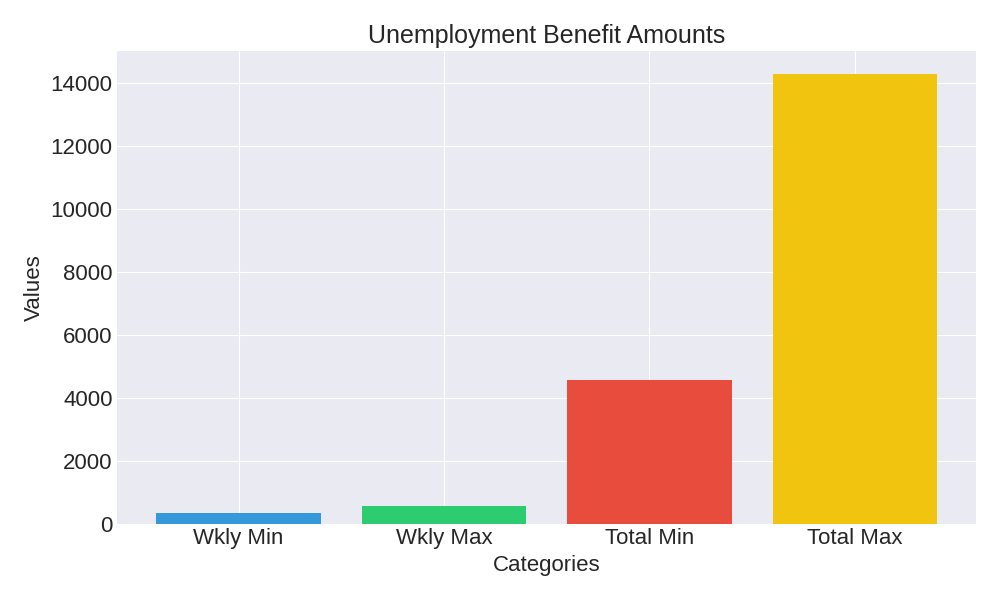
| Weekly Certification | Ongoing (Weekly/Bi-weekly) | Report job searches, certify eligibility. | Weekly Benefit Amount (e.g., $350-$550) disbursed. |
| Benefit Duration | 13-26 Weeks | Continue certifications and active job searching. | Total benefits received (e.g., $4,550-$14,300). |
| Appeal Process (if needed) | 4-8 Weeks | Submit appeal form, gather evidence, attend hearing. | Initial decision upheld or overturned. |
Navigating Common Challenges and Delays
Even with careful preparation, you might encounter challenges when applying for unemployment insurance online. Claims can be delayed, or even denied, for various reasons. Knowing how to address these issues promptly can significantly impact your access to benefits.
Imagine your claim status remains “pending” for several weeks without explanation. This scenario is common and often indicates that the agency needs more information or is reviewing a specific aspect of your claim. This matters in real life because persistent follow-up can resolve simple issues that might otherwise cause prolonged financial stress.
Addressing Denials and Appeals
If your claim is denied, you have the right to appeal the decision. Your denial letter will outline the specific reason for denial and provide instructions on how to file an appeal. Act quickly, as there are strict deadlines for submitting appeals. During an appeal, you will likely present your case at a hearing.
It’s crucial to gather any evidence that supports your eligibility. This might include employer correspondence, witness statements, or documents proving your job search efforts. A successful appeal can overturn an initial denial and ensure you receive the benefits you are owed.

Frequently Asked Questions (FAQ)
How long do unemployment benefits typically last?
The standard duration for unemployment benefits varies by state, but it typically ranges from 13 to 26 weeks. During periods of high unemployment, federal programs may extend these benefits.
Are unemployment benefits taxable?
Yes, unemployment benefits are considered taxable income by the federal government and many states. You may choose to have federal and/or state taxes withheld from your weekly payments, or you can pay estimated taxes quarterly. You will receive a Form 1099-G for tax reporting purposes.
What if I find part-time work while receiving benefits?
Most states allow you to earn a certain amount from part-time work without fully losing your benefits. However, your weekly benefit amount will likely be reduced. You must accurately report all earnings when you certify your claim each week.
What happens if I move to another state?
Generally, you should file your unemployment claim with the state where you worked, even if you now live in a different state. Contact the unemployment agency in the state where you were employed for guidance.
Can I apply for UI if I’m self-employed or a gig worker?
Traditionally, UI was not available for self-employed individuals or gig workers. However, temporary programs, like those during the COVID-19 pandemic, have offered benefits to these groups. Check your state’s current rules for specific eligibility.
Conclusion
Navigating the unemployment insurance online system can seem complex, but by understanding the process, gathering your documents, and maintaining your eligibility, you can efficiently secure the financial support you need. Remember that UI is a vital safety net designed to help you during challenging times.
Don’t hesitate to utilize your state’s official resources and reach out for assistance if you encounter difficulties. Taking proactive steps will ensure a smoother experience and help you focus on your ultimate goal: finding new employment. Get started on your unemployment insurance online claim today!
Disclaimer: The information provided in this article is for educational purposes only and does not constitute financial advice.