
Navigating the vast landscape of financial products can be daunting, especially when trying to pinpoint the ideal credit card for your unique circumstances. Far from being just a tool for spending, a credit card can be a powerful instrument for building credit, earning rewards, or managing finances, if used wisely.
Choosing the right one is a pivotal financial decision that impacts your purchasing power, credit score, and even your long-term financial health. This comprehensive guide will walk you through the essential steps to find your perfect match, ensuring you leverage the benefits while avoiding potential pitfalls.

Understanding Your Financial Goals
Before diving into specific card features, it’s crucial to define what you aim to achieve with a new credit card. Different cards are designed for different purposes, and aligning your choice with your objectives is the first step towards a smart financial decision.
What Do You Need a Credit Card For?
- Building or Rebuilding Credit: If you have a limited credit history or are working to improve a low score, your focus should be on cards that are accessible and help establish a positive payment record.
- Earning Rewards: For those who pay off their balance in full each month, reward cards can offer significant value through cash back, travel points, or other perks.
- Transferring Balances: If you’re carrying high-interest debt on existing cards, a 0% APR balance transfer credit card could save you a substantial amount in interest charges.
- Emergency Fund/Flexibility: Sometimes, a credit card serves as a safety net or provides payment flexibility for larger purchases, though it’s important to manage this responsibly.
- Travel Benefits: Frequent travelers might seek cards offering airline miles, hotel points, lounge access, or travel insurance.
Key Factors to Consider When Choosing a Credit Card
Once you’ve identified your primary goal, it’s time to examine the core features that differentiate one credit card from another. Understanding these factors will help you compare options effectively.
Annual Percentage Rate (APR)
The Annual Percentage Rate (APR) is the interest rate you’ll be charged on your outstanding balance if you don’t pay it off in full each month. A lower APR is always better if you anticipate carrying a balance.
Some cards offer introductory 0% APR periods, which can be beneficial for large purchases or balance transfers, but be aware of the rate after the promotional period ends.
Annual Fees
Many desirable credit cards, especially those with generous rewards or premium benefits, come with an annual fee. Evaluate if the benefits you receive (rewards, travel perks, sign-up bonuses) genuinely outweigh the cost of the fee. For cards used purely for credit building or emergencies, a no-annual-fee option is usually preferable.
Rewards Programs
Reward programs vary widely. Some offer simple cash back, others accrue points that can be redeemed for travel, merchandise, or statement credits. Consider your spending habits: do you spend a lot on groceries, gas, dining, or travel? Choose a card that offers accelerated rewards in your highest spending categories.
Welcome Bonuses
Many credit card companies entice new applicants with substantial welcome bonuses, often requiring you to spend a certain amount within the first few months. These bonuses can be very valuable, sometimes worth hundreds of dollars in cash back or travel points, but ensure you can meet the spending requirement without overspending.
Credit Score Requirements
Your credit score is a critical factor in approval. Premium rewards cards typically require excellent credit (720+ FICO Score), while secured cards or student cards are designed for those with limited or fair credit. Check your score before applying to gauge your eligibility and avoid unnecessary hard inquiries that could temporarily lower your score.
Additional Fees and Terms
- Foreign Transaction Fees: If you travel internationally, look for cards that don’t charge an extra fee (typically 1-3%) on purchases made outside your home country.
- Late Payment Fees: These are imposed when you fail to make your minimum payment by the due date.
- Cash Advance Fees: Taking a cash advance from your credit card is generally expensive, incurring a fee and a higher APR immediately, without a grace period.
- Payment Grace Period: This is the time between your statement closing date and your payment due date, during which you can pay your balance in full without incurring interest. Most cards offer a grace period, but always confirm.

Step-by-Step Guide to Choosing Your Card
Step 1: Check Your Credit Score
Before you even start looking, know where you stand. You can get a free copy of your credit report from each of the three major credit bureaus (Equifax, Experian, TransUnion) annually through AnnualCreditReport.com, as mandated by federal law. Understanding your credit score will help you target cards you’re likely to be approved for.
Step 2: Define Your Top Priority
Is it rewards, low interest, balance transfer, or credit building? Having a clear primary goal will narrow down your options significantly.
Step 3: Research and Compare Options
Use reputable comparison websites to filter cards based on your desired features. Pay close attention to APRs, fees, reward structures, and welcome bonuses. Read reviews, but take them with a grain of salt, focusing on factual information about terms and conditions.
Step 4: Read the Fine Print
Always review the Schumer Box, which summarizes key terms, and the full cardholder agreement. Understand how interest is calculated, what fees apply, and any spending caps on rewards. The Consumer Financial Protection Bureau (CFPB) provides excellent resources on understanding these agreements.
Step 5: Apply Strategically
Apply for one card at a time. Multiple applications in a short period can negatively impact your credit score. If denied, wait a few months before applying for another card, and try to understand the reasons for denial.
Understanding Credit Card Interest and Payments
While the exact mathematical formulas for interest calculations can be complex, it’s vital to grasp the practical impact of carrying a balance. The higher your APR and the longer you carry a balance, the more you pay in interest.
For example, if you have an outstanding credit card balance of $5,000 with an 18% Annual Percentage Rate (APR), and you only make the minimum payment, it can take years to pay off, costing you a significant amount in interest. Conversely, if you commit to a fixed payment strategy, you can pay down your debt faster and save on interest.
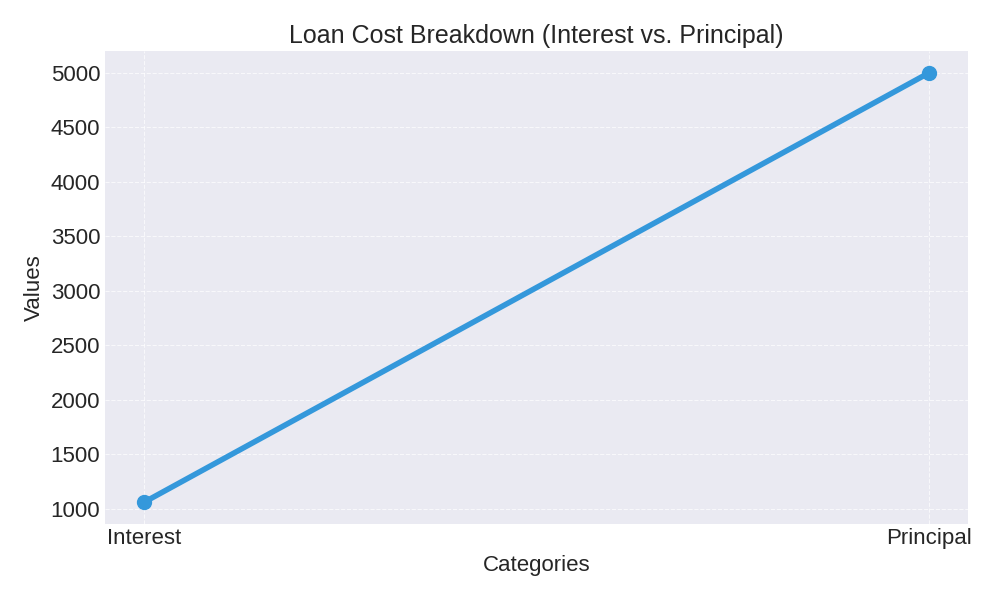
Consider this hypothetical example: If you borrowed $5,000 on your credit card at an 18% APR and committed to a fixed monthly payment of $250, here’s an illustration of how your balance would decline and what you’d pay:
| Month | Remaining Balance | Total Interest Paid (Cumulative) |
|---|---|---|
| 1 | $4,825.00 | $75.00 |
| 6 | $4,001.00 | $401.50 |
| 12 | $2,836.00 | $704.00 |
| 18 | $1,349.00 | $945.00 |
| 24 | $0.00 | $1,059.00 |
Building Good Credit Habits
Acquiring the right credit card is only half the battle; responsible usage is paramount. Your payment history and credit utilization are the most significant factors in your credit score.
- Pay Your Bills On Time: This is the single most important action for maintaining a good credit score. Set up automatic payments or reminders to ensure you never miss a due date.
- Keep Credit Utilization Low: Aim to use no more than 30% of your available credit across all your cards. For example, if you have a $10,000 credit limit, try to keep your balance below $3,000. Lower is always better.
- Monitor Your Credit: Regularly check your credit reports for errors or fraudulent activity. Free tools are often available through your bank or credit card issuer. The Federal Reserve offers guidance on understanding and managing your credit.
- Avoid Unnecessary Debt: Only charge what you can comfortably afford to pay off. Interest charges can quickly erode any benefits you receive from rewards.

Frequently Asked Questions (FAQ)
What is a good credit score?
Generally, a FICO score of 670-739 is considered good, 740-799 is very good, and 800-850 is excellent. A higher score typically leads to better interest rates and approval odds for loans and credit cards.
How many credit cards should I have?
There’s no magic number. What matters more is how you manage them. Many financial experts suggest having 2-3 cards that you manage responsibly. This can help diversify your credit mix and increase your overall available credit, which can positively impact your credit utilization ratio.
What if I can’t pay my credit card bill?
Disclaimer: The information provided in this article is for educational purposes only and does not constitute financial advice.